Fe+male Tech Heroes Role Model #63: Dagmar van Ravenswaay Claasen: ‘It’s good to say yes to the unknown’
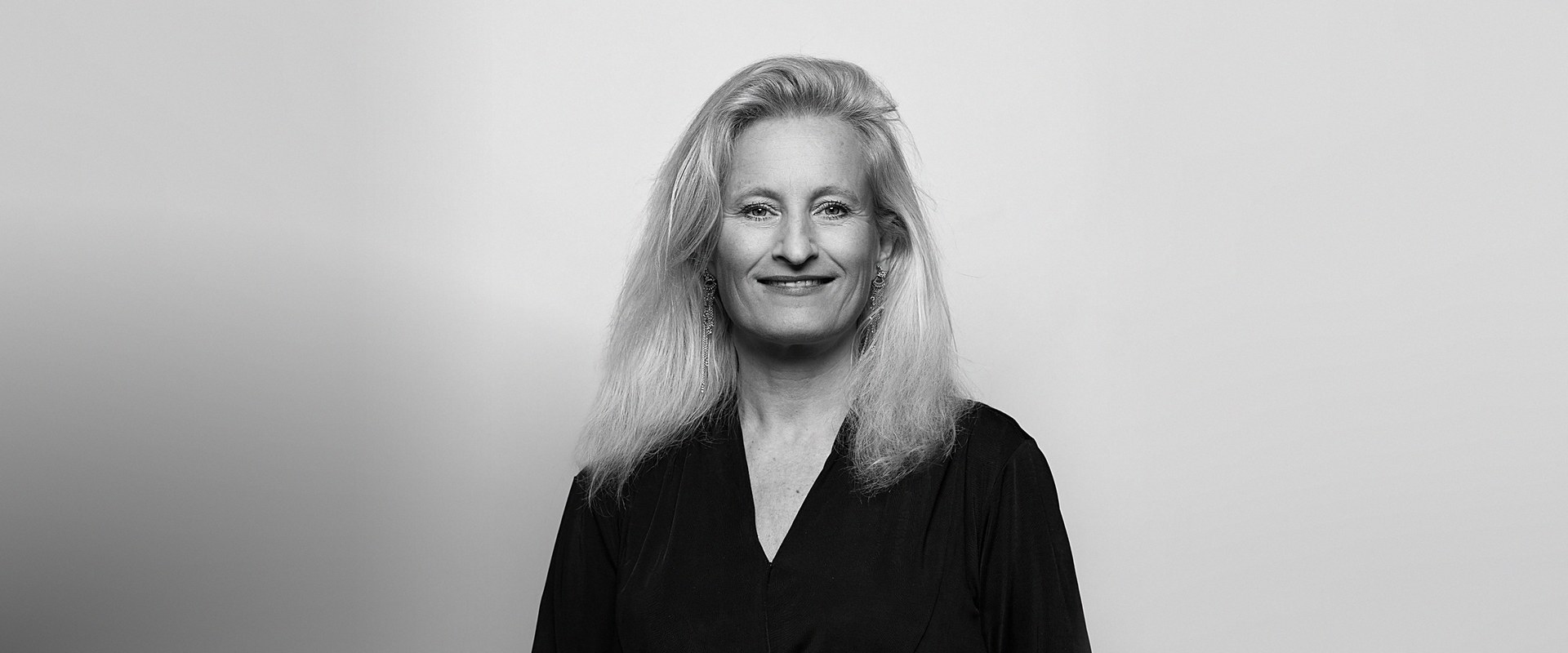
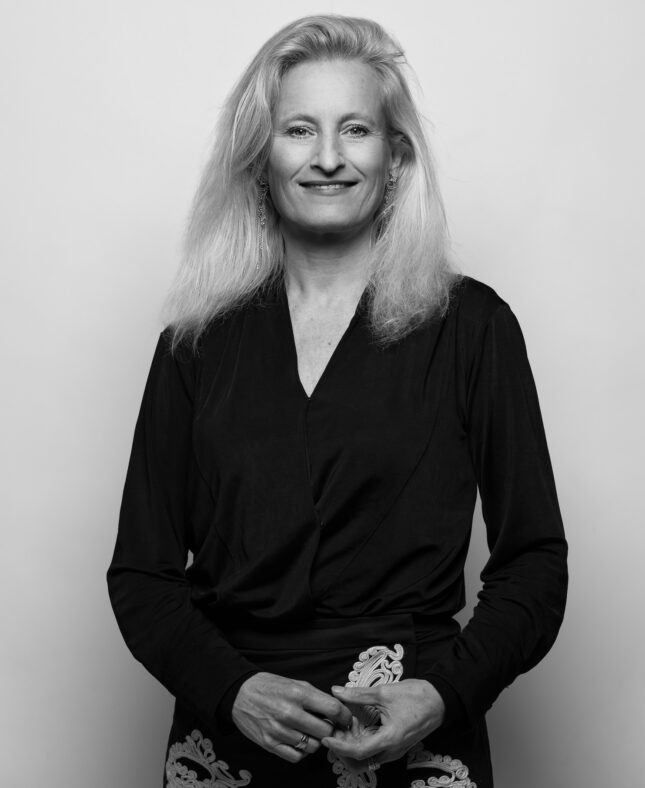
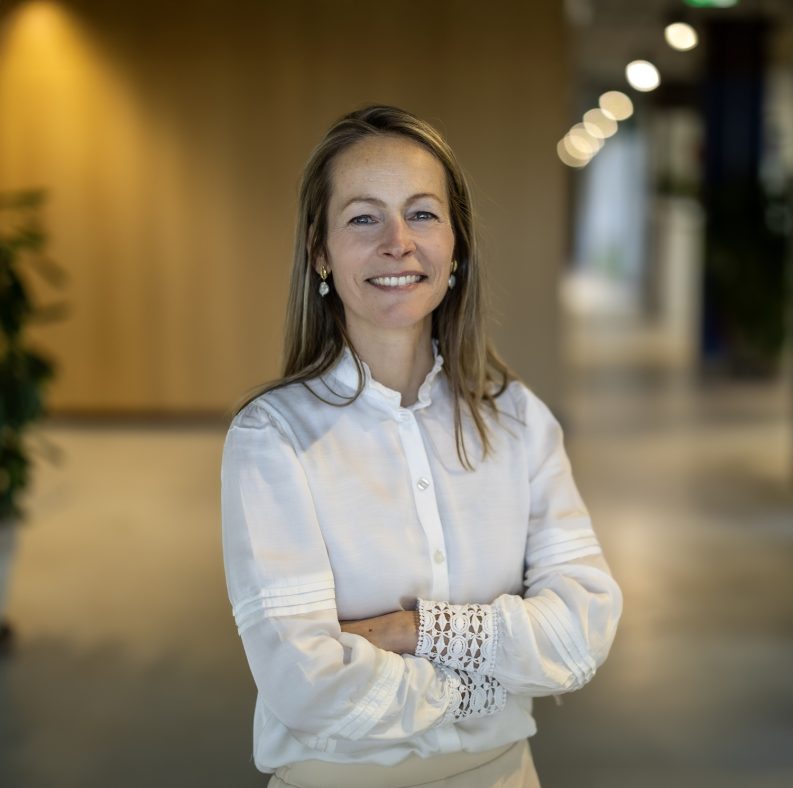
Dagmar van Ravenswaay Claasen has never been one to stay in her comfort zone. With a master’s in law from Leiden University, she didn’t start out in the technology sector. Instead, she brought an analytical mindset and a drive to create meaningful change into finance and then fintech, building on what she already knew along the way.
Today, as Senior Partner at LUMO Labs, Dagmar helps fund and mentor impact-driven startups. She’s seen finance from both sides, having worked as a regulator at the Dutch Central Bank and as a fintech executive at Adyen.
Challenging herself at the Dutch Central Bank
After three years as an attorney, Dagmar spent a decade at the Dutch Central Bank. She “deliberately” skipped the legal department and took a supervisory position, overseeing payment service providers and trust offices, among others.
“I could have easily stayed at the Dutch Central Bank or been a lawyer all my life, and I know people I studied with who did that and became big partners in law firms. But I thought it was a bit limited with regard to what I could bring to the table,” Dagmar says.
That choice was her stepping stone into senior leadership at the bank, where she had “quite a lot of influence because you sit at the table of the supervisory board.” In 2015, toward the end of her time there, Dagmar led a project on how pension funds could make more impactful decisions by investing part of their massive assets in impact-driven businesses and funds. The project sparked her interest in sustainable finance and innovation. She still keeps an eye on that space. “Ten years down the line, we’re still not where we want them to be,” she says.
Building a bridge to fintech
After her long stint at the Dutch Central Bank, Dagmar joined pioneering payments company Adyen when its founders set out to turn the company into a bank.
“I joined them for that journey because in the role of Director of Regulatory Affairs, I could very much build that bridge between the central bank and Adyen to become a bank,” Dagmar explains. The goal was to meet every requirement “without becoming a stuffy bank with policies and procedures the size of a phone book.”
The move surprised people around her.
Colleagues told her she could become a division director if she stayed put. “Don’t forget your pension at the central bank is better. You have a car. You have more holidays. Your sick leave is arranged better,” she says. “There are a lot of things that could hold you back, but it is the urge to make an impact in one lifetime, and therefore seek what role fits you best in different stages of your life.”
She leaned on advice from a central bank board member, who told her the best career moves are about 50% something new and 50% what you can already do. “You keep on learning, but you can also really capitalize on your knowledge,” she says.
When Adyen’s founders asked whether she would fit in culturally, Dagmar wasn’t worried. Even inside the central bank, she was always looking for innovative projects.
“Life is really short. It’s really not beneficial to waste too much time on things that don’t give you energy.”
Encouraging female founders to pitch with conviction
As an investor in early-stage startups, Dagmar sees the persistent funding gap for female founders firsthand. She is also realistic about the pipeline: deep tech spinouts from universities are still mostly founded by men, which makes female deep tech founders hard to find. But she has clear advice for women who want to stand out when raising capital.
“I think it has to do with conviction,” Dagmar says. “Men are very good at laying down their vision and taking you along in that vision.”
And this isn’t just an American trait. “That’s also how a lot of Dutch or European male founders communicate,” she says. “That’s what you’re competing with.”
She recalls a recent pitch where a female founder asked for €300,000, when the business clearly needed far more to scale. “We were like, no, you need a million,” she says. “You want to start with the right metrics, and you have to understand those metrics to be able to tell a story. In the end, life is about storytelling, and we want to be hypnotized by the story that a founder is telling.”
At the same time, Dagmar cautions founders against overpromising. Ask for too much, she says, and “the expectations are so high that others can only be disappointed in you.”
“I’d rather under-ask and overperform,” she says. “You should also understand and read the room. Know what you can ask and what you can’t ask.”

Support starts at the kitchen table
When asked where her confidence comes from, Dagmar points to her husband.
“I think it’s very important who is at the table, at the kitchen table,” she says. “The moment you become pregnant, or even before that, important decisions have to be made. If at that time you settle for, ‘Oh yeah, I’ll go three days a week, and you can stay at five,’ then the income gap between the partners becomes larger and larger, and you tend to not chase your dreams anymore.”
She and her husband divided the raising of their three children equally, down to the school birthday parties. “He very much believes in me,” she says. “It’s healthy for your relationship, but it’s also good for your self-esteem. And in the end, it becomes super nice to have your own money.”
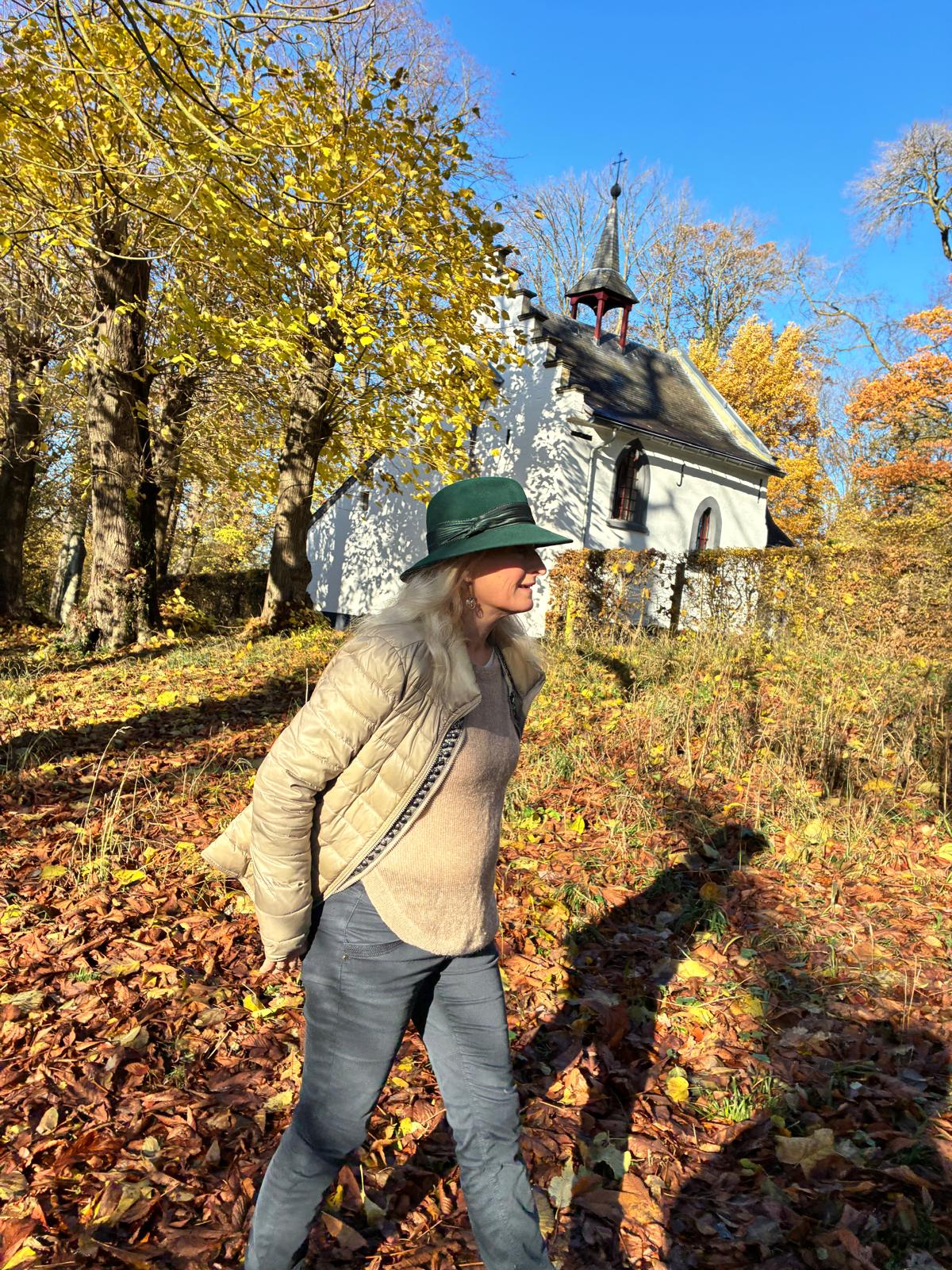
Nature is another source of energy for Dagmar, who has taken steps along a more spiritual path while keeping both feet in her work. “The beauty of it is if you can mix the spiritual, or being in nature, with your work,” she says. “For me, it’s fuel to do my job better and to be a better partner.”
When it comes to career role models, Dagmar looks to leaders with clear values who have made an impact on the world stage.
“For me, role models are more the path towards your vision and making an impact in the world,” Dagmar says. “If you ask me for a role model, I would venture more toward Barack Obama or Nelson Mandela. That’s more of a role model niche for me.”
Say ‘yes’ to the unknown
“It will always surprise you when you say yes,” Dagmar says. A panel she joined at SXSW London left her inspired by a speaker who makes art out of real data. “It just opens you up. It’s good to say yes to the unknown. That would be my piece of advice.”
She encourages young women to do some soul-searching early. She sees friends only now asking themselves what they really want, after years spent with the wrong partner or in the wrong job. “Life is really short,” she says. “It’s really not beneficial to waste too much time on things that don’t give you energy.”
She also wants women to make peace with imperfection. “A lot of women get burned out because they are perfectionists,” she says. Her advice is to accept that some things won’t be perfect and do them anyway. “It keeps you moving in the right direction, even if you make mistakes.”