Most people have seen the video of a crash test dummy hitting a wall at high speed, jolting forward as the car crumples. But now, with emerging technologies, you can create a virtual twin before testing begins. You don’t even need a crash test dummy or a car frame.
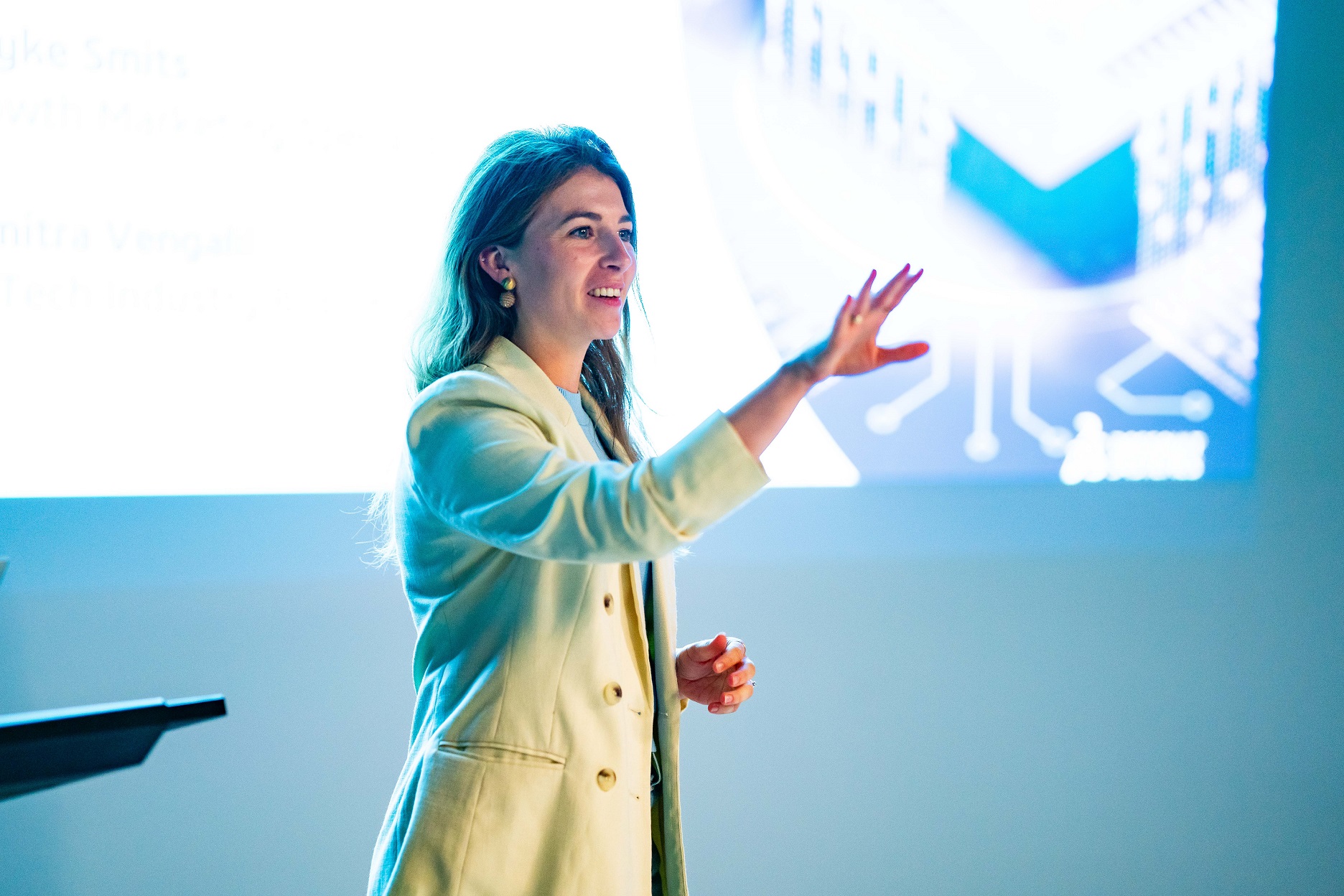
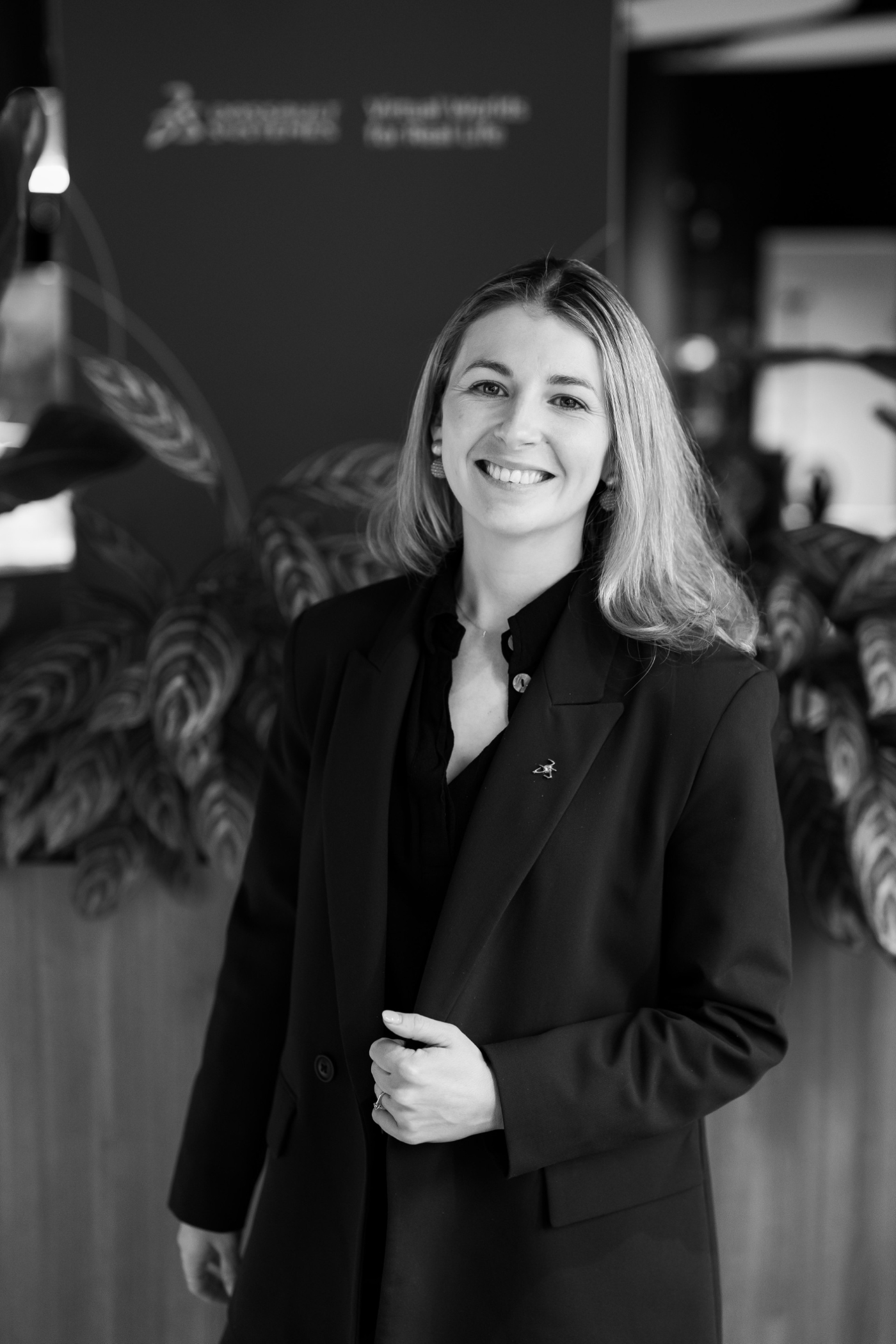
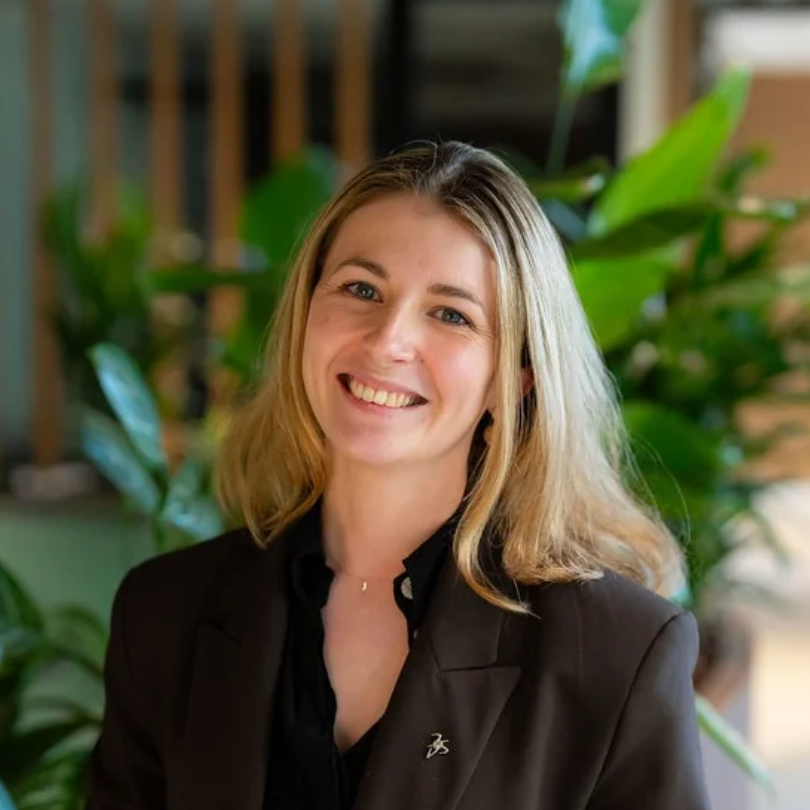
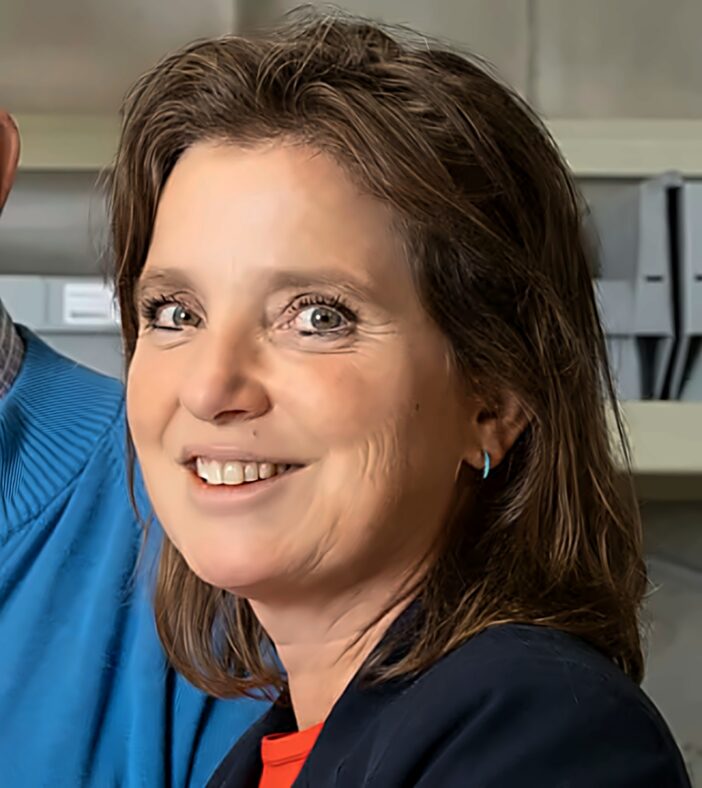
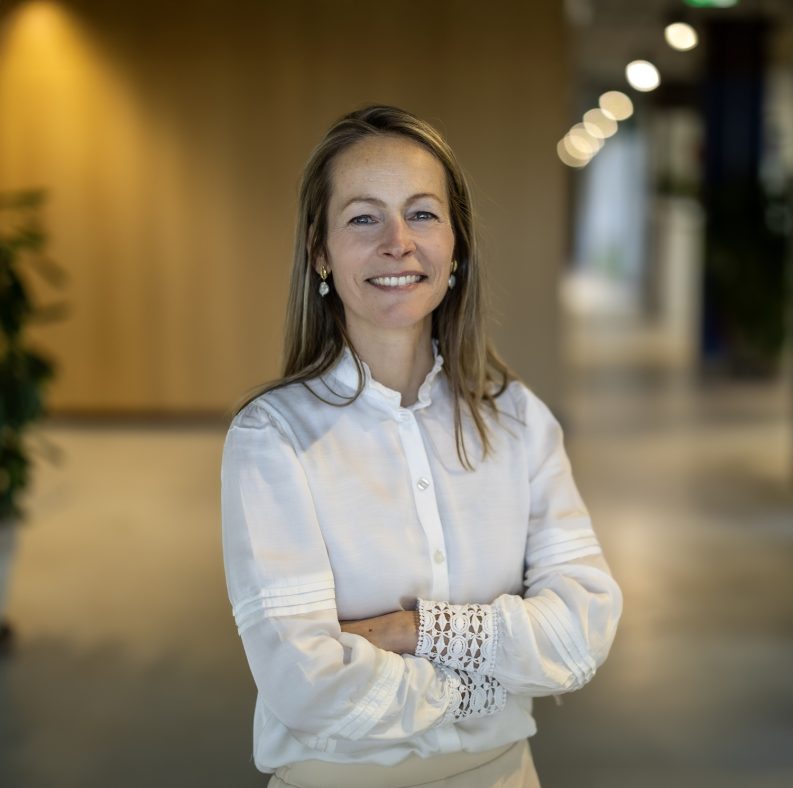
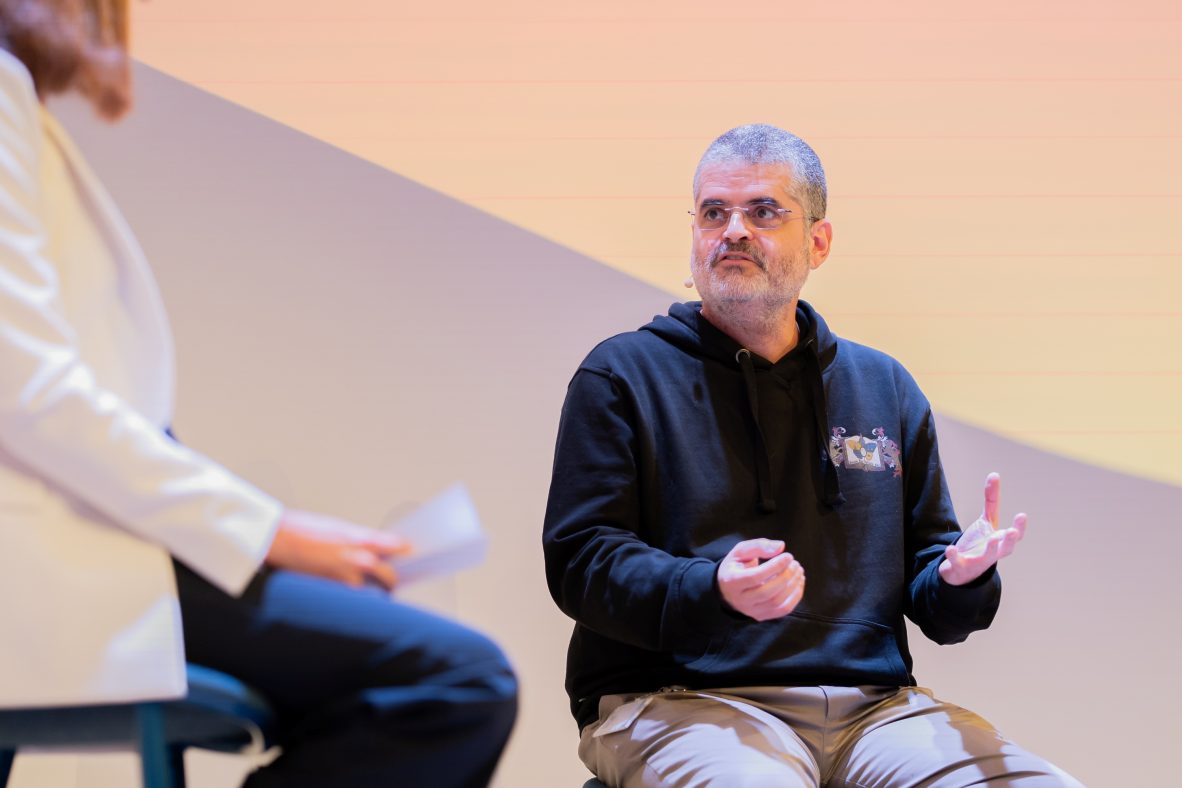
Despite employing 25,000 people worldwide, Dassault Systèmes remains relatively unknown outside engineering circles. “We have 25,000 employees worldwide,” says Mayke Smits, Growth Leader High Tech at Dassault Systèmes in the Netherlands. “We are quite big, but too few people know us.” It’s a strength and a weakness, according to Mayke.
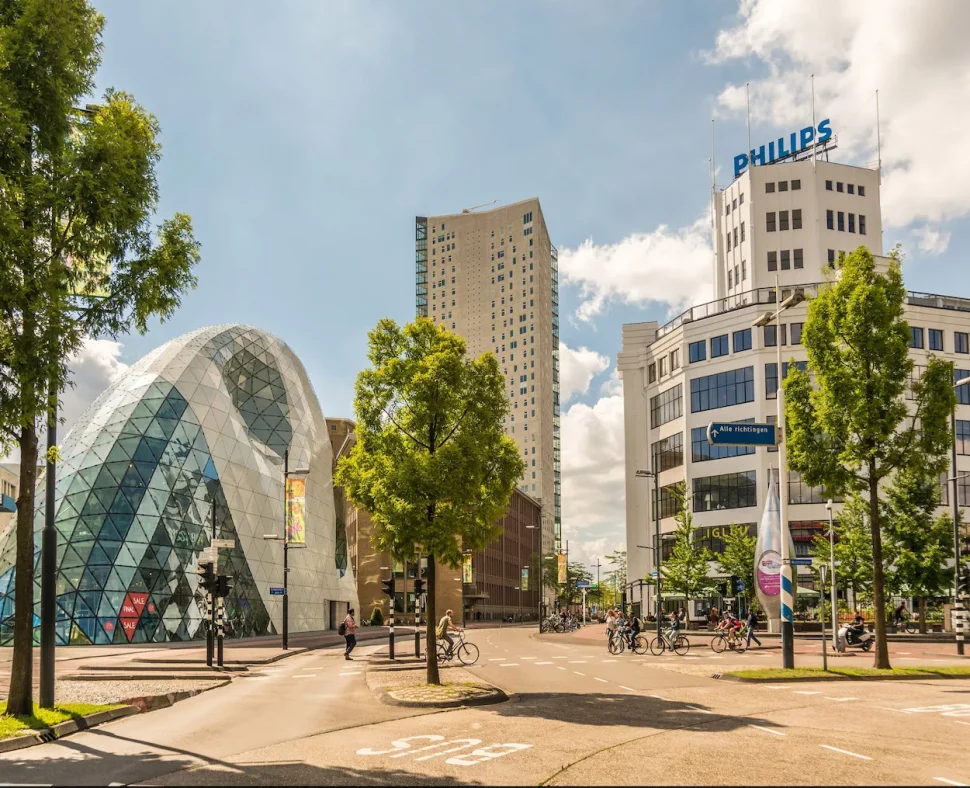
Mayke’s mission is to make sure everyone knows Dassault Systèmes, a partner at 3EALITY, High Tech Campus Eindhoven’s innovation hub for spatial computing and physical AI.
Virtual twin vs. digital twin
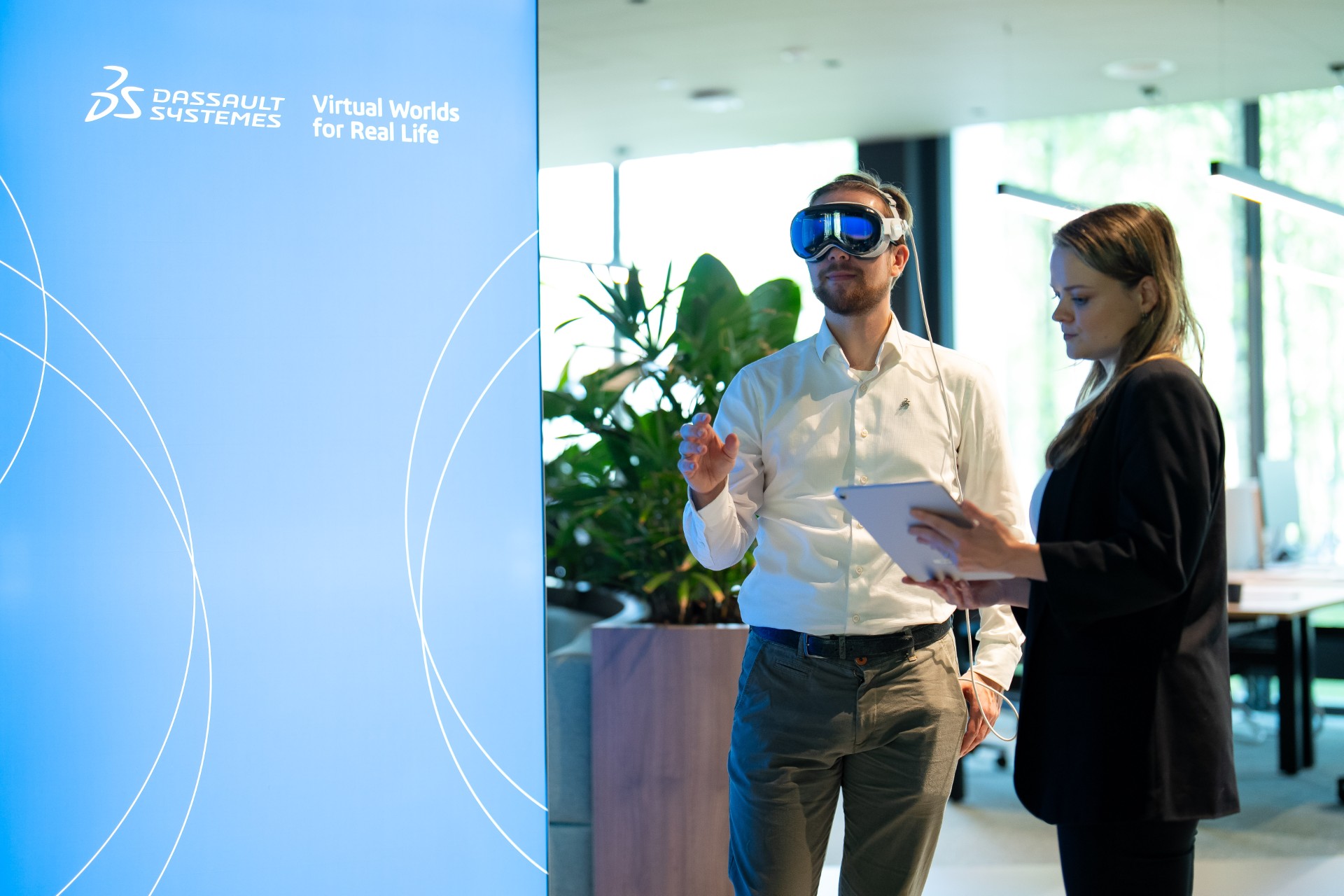
Mayke is careful to distinguish between the technologies. Dassault Systèmes doesn’t build digital twins; it builds virtual twins. There’s a significant difference. “We are a science-based company,” she explains. “Anything we do in a virtual world is based on real science and industrial knowledge and know-how.” A crash test passes in software because the physics is real. Packaging can be made lighter or out of new materials and tested down to the molecule before anything is manufactured, for example.
Dassault Systèmes has been innovating since its founding in 1981. Its journey began with the simulation of an aircraft wheel, before developers progressed to simulating entire aircraft. From there, the company expanded into product lifecycle management (PLM), creating the digital backbone that enables manufacturers to design, collaborate and manage products in one connected environment. This evolution ultimately led to the development of the Dassault Systèmes 3DEXPERIENCE platform, which brings design, engineering, simulation, manufacturing and collaboration together in a single digital environment. It enables companies to create, test and manage products virtually, helping teams collaborate more effectively throughout the product lifecycle.
The ambitions scaled from there. First, they created a virtual twin of a car, then an automobile factory. They built an entire city, with traffic, airflow and bottlenecks modeled as one “living” system. In 2020, they employed the same focus and determination to create a virtual twin of the human body. Ambitious. Through the Living Heart project, they mapped a beating virtual heart, with personalised medicine as the end goal.
“We need to move more toward an individualistic care system, because not everyone is the same,” Mayke says. It’s the kind of work MedTech and biotech companies are racing toward. Understand the human body and how diseases progress, and you can build a custom treatment plan, meds included.