Meet ITEA: Connecting AI Innovation Center companies to international R&D projects
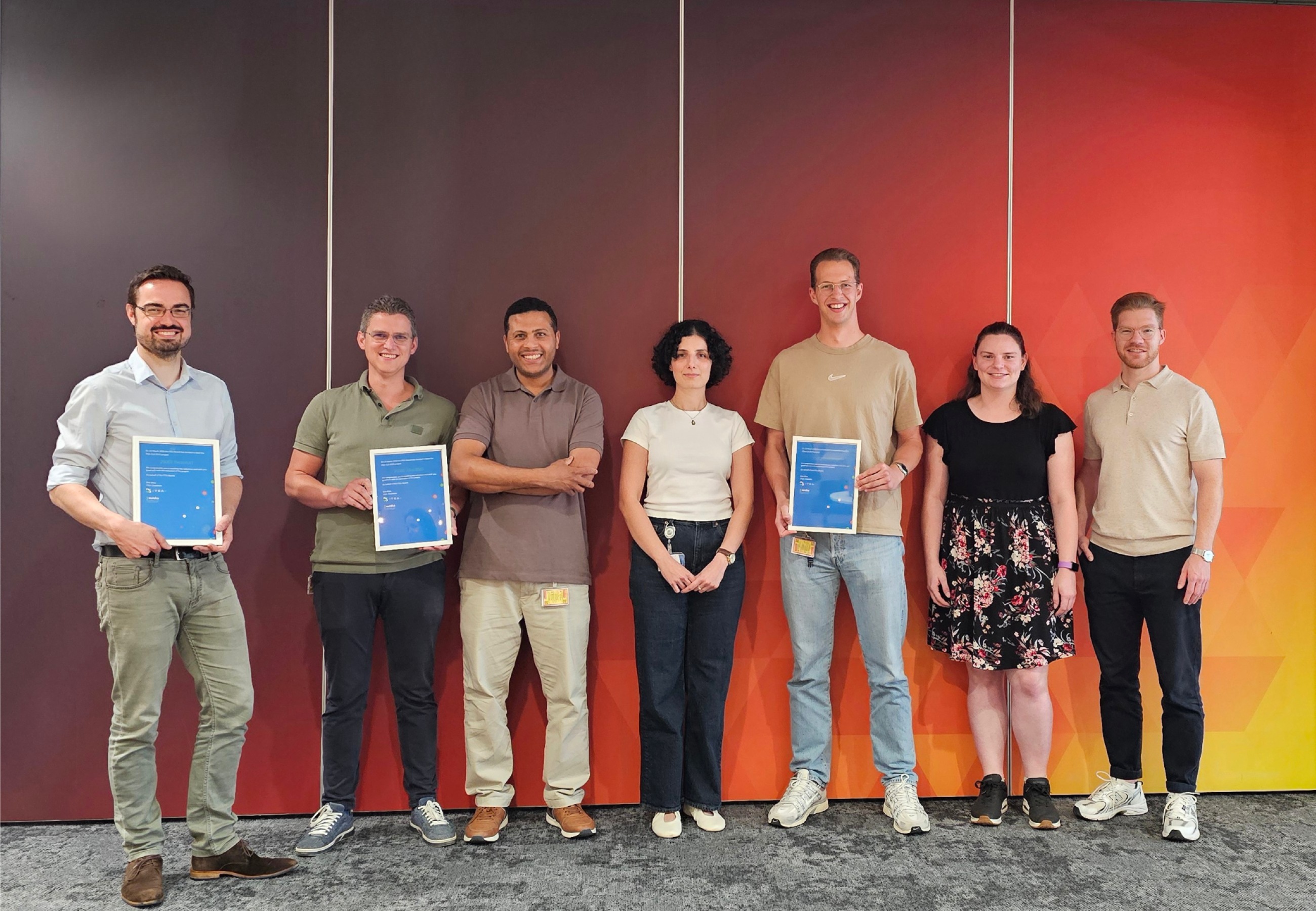
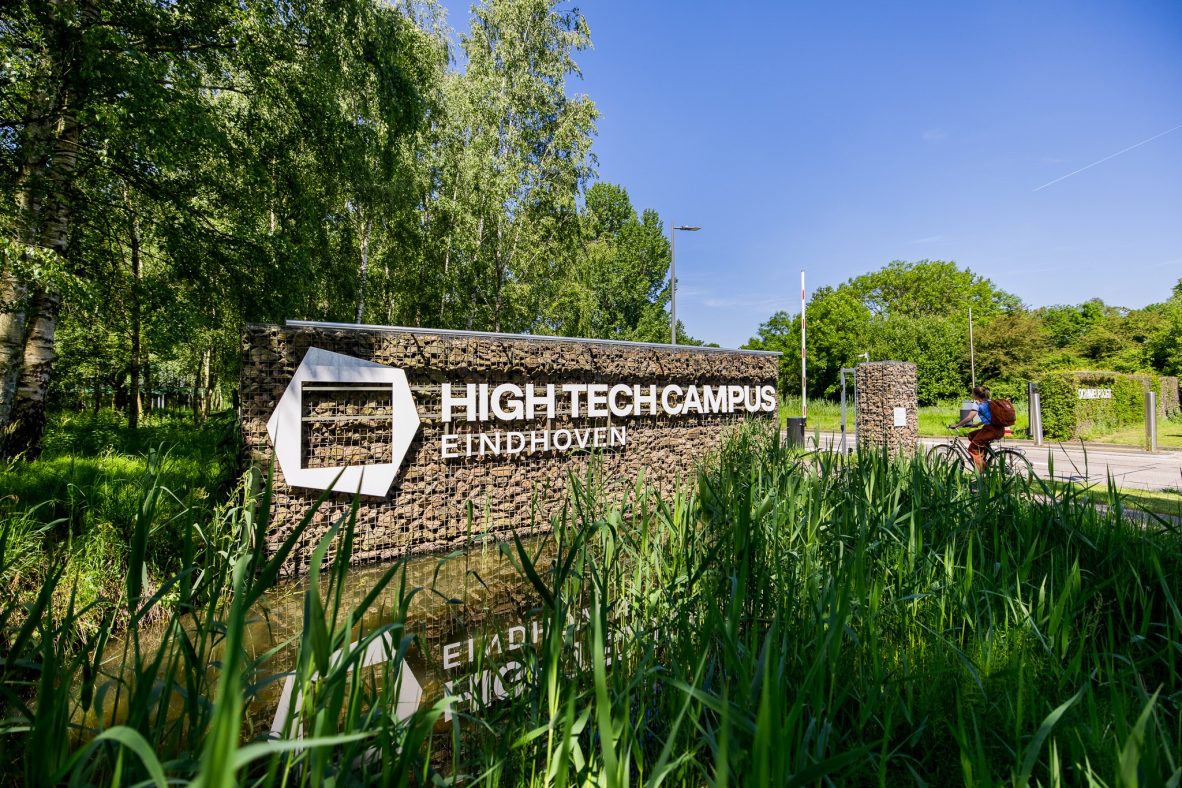
In the five years since it opened, the AI Innovation Center in building HTC 5 has grown from an idea into the largest AI-dedicated center in the Netherlands, with 40 companies in residence. With the ‘AIIC’, its first innovation hub, High Tech Campus Eindhoven set out to build an ecosystem-within-an-ecosystem, one that would help AI companies grow. Since then, collaborations have formed organically, sparked by chance encounters at the coffee machine and the knowledge-sharing events held there.
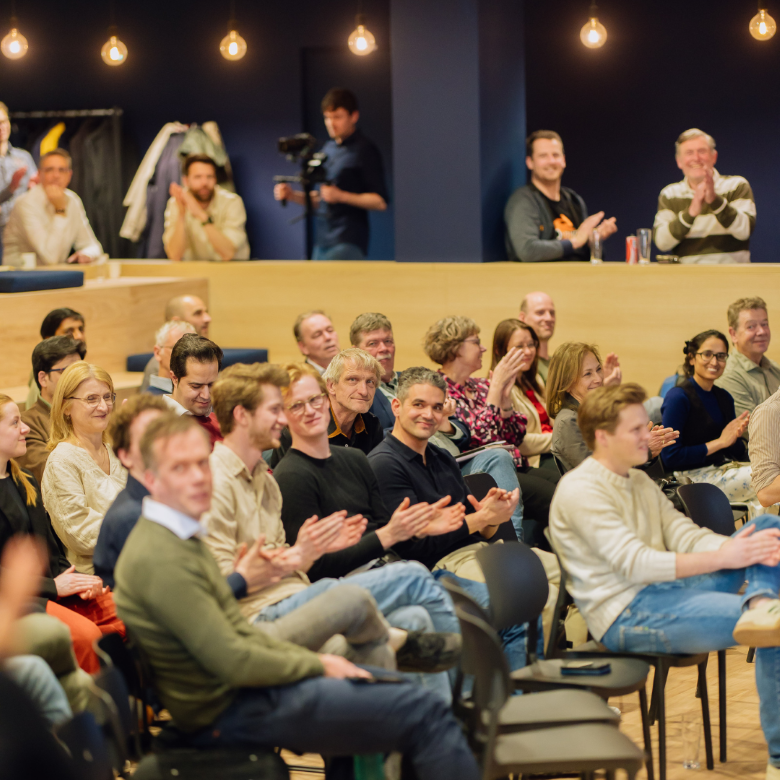
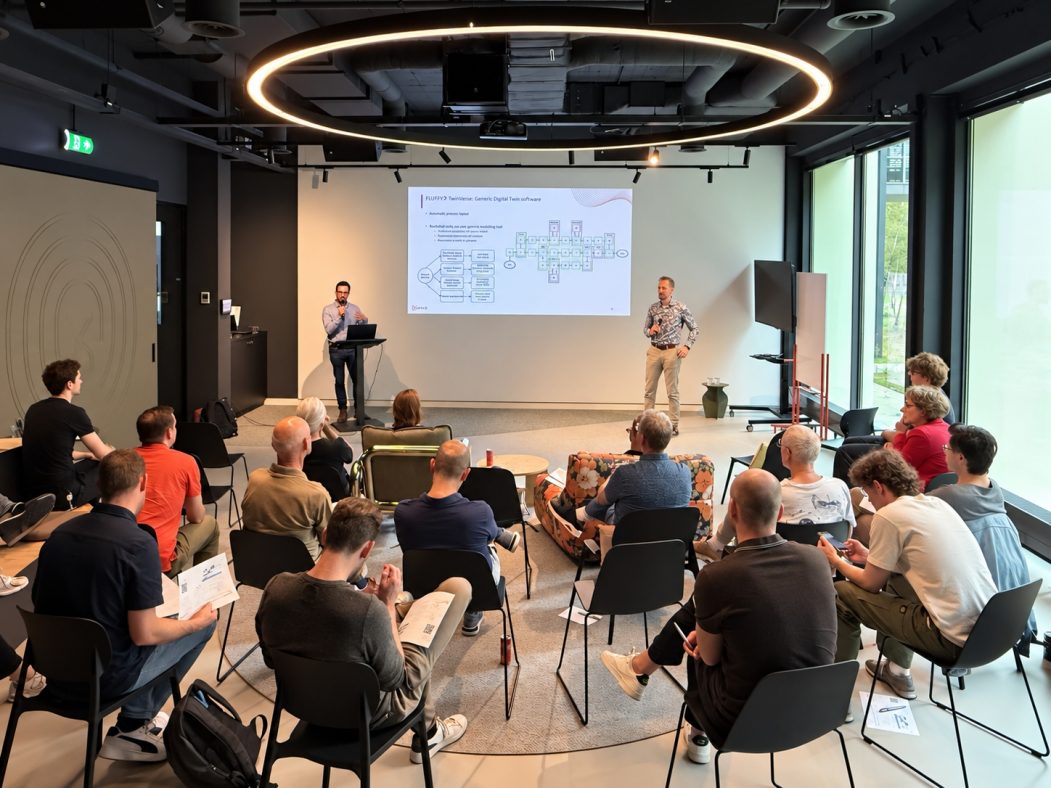
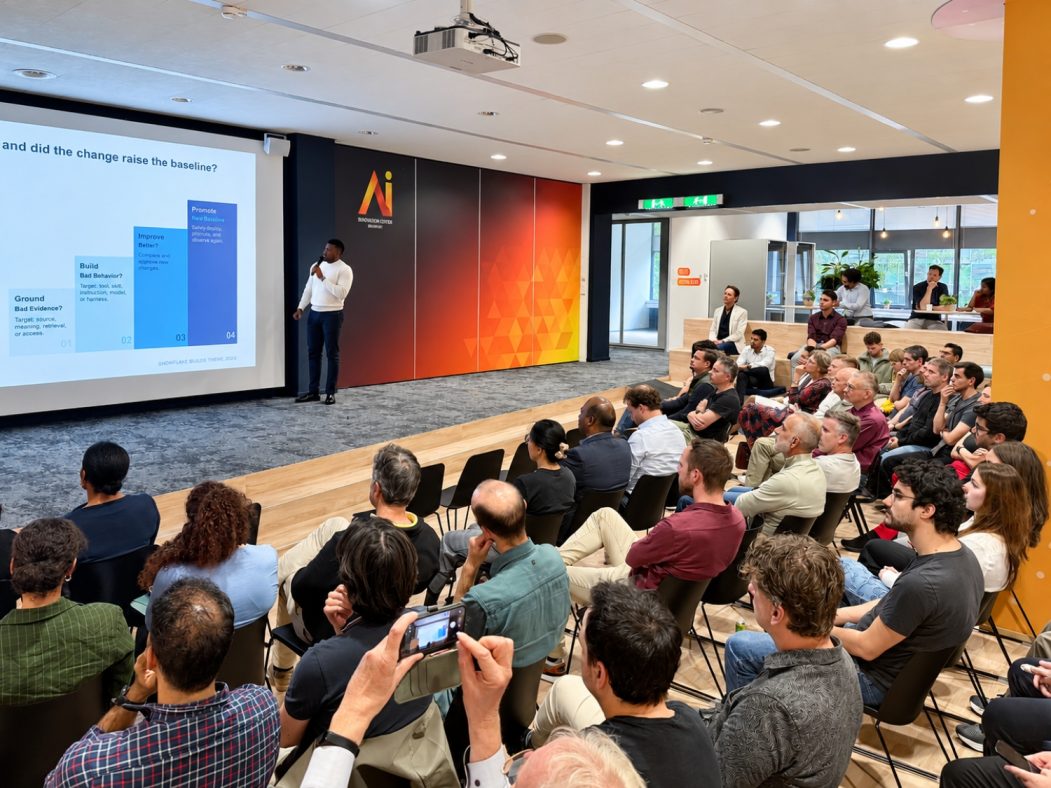
We call ITEA ecosystem orchestrators. Now at the center of the ecosystem after moving from another Campus location, the organization sits just steps from the companies it works with. In the fall of 2025, ITEA hosted an event at the AIIC to promote its annual Call for Projects. That single event resulted in four AIIC companies participating in several global R&D projects now underway.
Every time you tap a card to pay for coffee, you’re using technology that began as a collaborative research project two decades ago. The same goes for the digital projector that replaced reels of film at your local cinema.
Both of these technological advances came out of projects at ITEA, a small but highly connected organization people on the Campus have never heard of, even though it’s spent more than 25 years helping turn ambitious ideas into international, funded innovation projects.
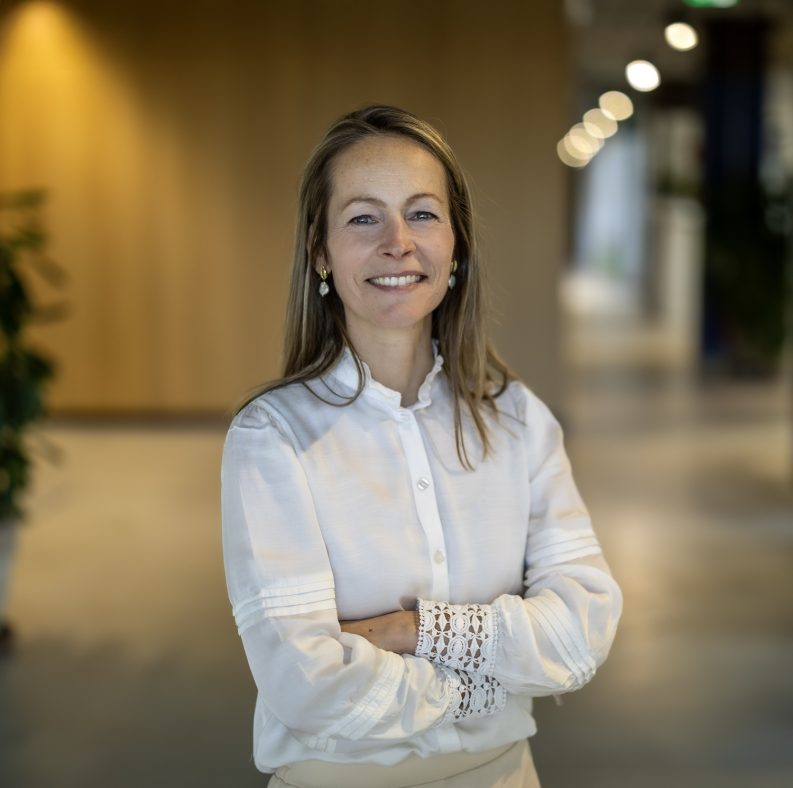
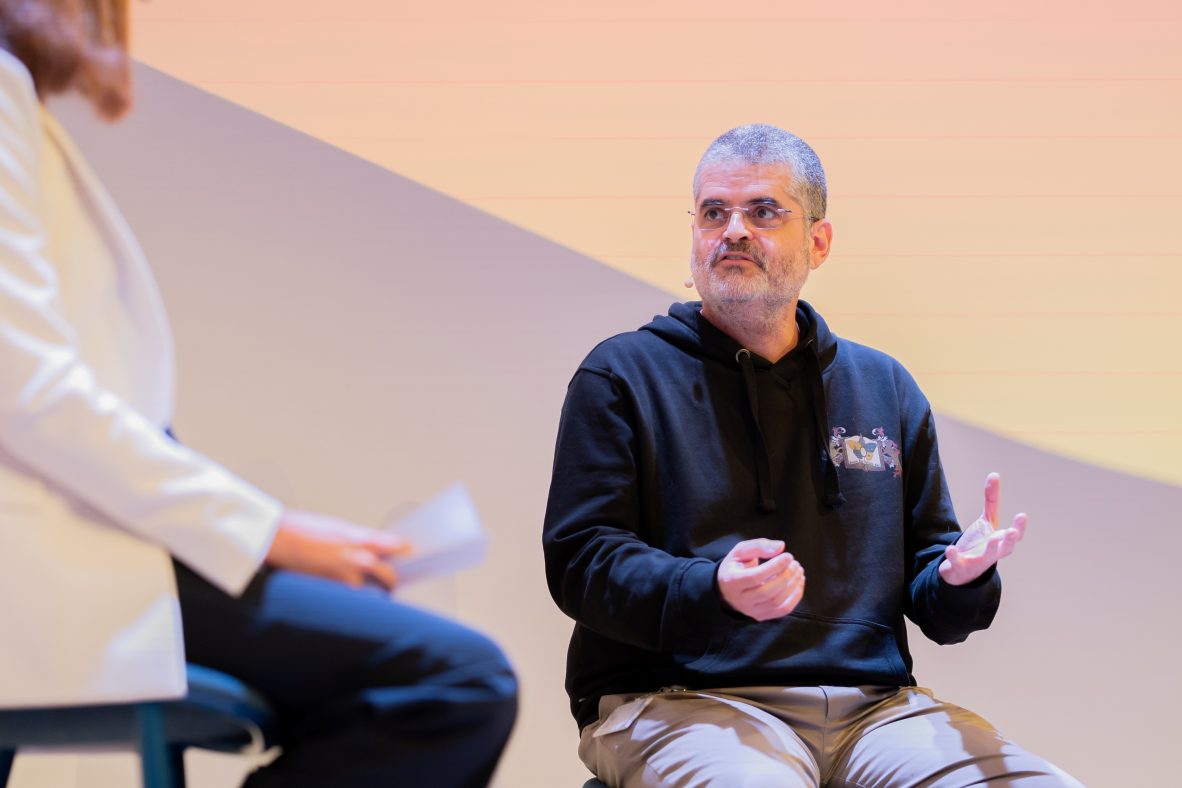
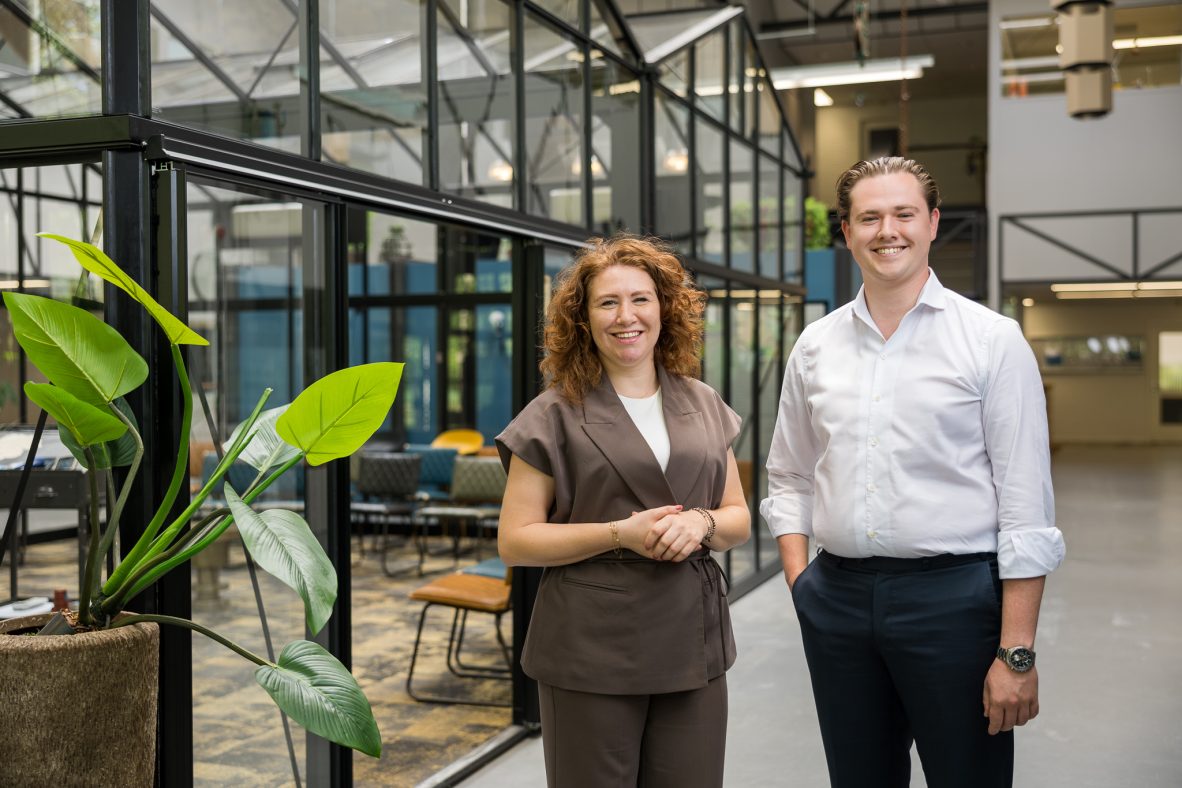
ITEA, a not-for-profit organization, has been located at the AI Innovation Center since 2023, a few steps from the companies with whom it collaborates. We sat down with Linda van den Borne-Toupet, Marketing and Communications Manager at ITEA, to learn more about what the organization does, why it moved to the AIIC and how an event last fall pulled four resident companies into international R&D projects.
A facilitator, not a factory
ITEA once stood for Information Technology for European Advancement, but the organization has long since expanded beyond Europe. “We’re global now,” Linda says, with partner companies located in Europe, North America and Asia.
ITEA is the Eureka RD&I cluster for software and systems innovation. Eureka is the world’s largest public network for international R&D and innovation cooperation, which includes more than 45 countries. It connects SMEs, large companies, universities and research organizations through national funding bodies.
The model is unusual but effective. ITEA doesn’t build the technology itself. The office is a team of only 12 people, but over the years it has worked with 2,600 partners and has 40 to 45 projects in operation at any given time.
“We are the facilitators,” Linda explains. “We bring the partners together, we have the conversations with the public authorities about funding and, together with experts from our board companies, we mentor and guide the projects to maximize the impact of their project results.” The work – the engineering, products, services and systems – is completed by the partner companies in the ITEA projects.
Fourteen international board members, drawn from companies such as Philips, Barco, Bosch, Canon, Ericsson, Esri Canada, Siemens and Turkcell, review every proposal. Once a project launches, they review it annually to check whether the market has shifted, the project is still aligned or where there’s room to improve.
The program is industry-driven, designed to accelerate applied innovation close to market launch. They look at technologies at Technology Readiness Levels (TRL) of 4-7. About half of all participants are SMEs. “They’re really the innovative power,” says Linda, while larger companies and universities bring the muscle and the knowledge to get a result to market. The goal is to launch a new product, service or smarter system, ideally generating value for business or society shortly after a project ends.
ITEA’s track record is impressive.
Contactless bank card payments grew out of an ITEA project twenty years ago. So did the shift from film to digital cinema. For Barco, based in Belgium and leader of the project, this resulted in undisputed global market leadership in digital cinema today. A standard that allows carmakers to simulate and test increasingly software-defined vehicles came out of an ITEA project, too. More recently, a Dutch port deployed a system that fuses video and infrared into a single platform, making it far easier to flag drug and human trafficking.
The call that started at the AI Innovation Center
Each year, ITEA opens a Call for Projects. “We have one big networking event each year for 300 people, where they can present their ideas of the proposal they would like to create,” said Linda.
The call goes out to the global community and is posted on their website, and proposals are submitted from around the world. Projects typically run for three years and must be collaborative, with at least two different companies from two participating countries submitting proposals. In general, projects include 10 to 20 partners across three or four countries.
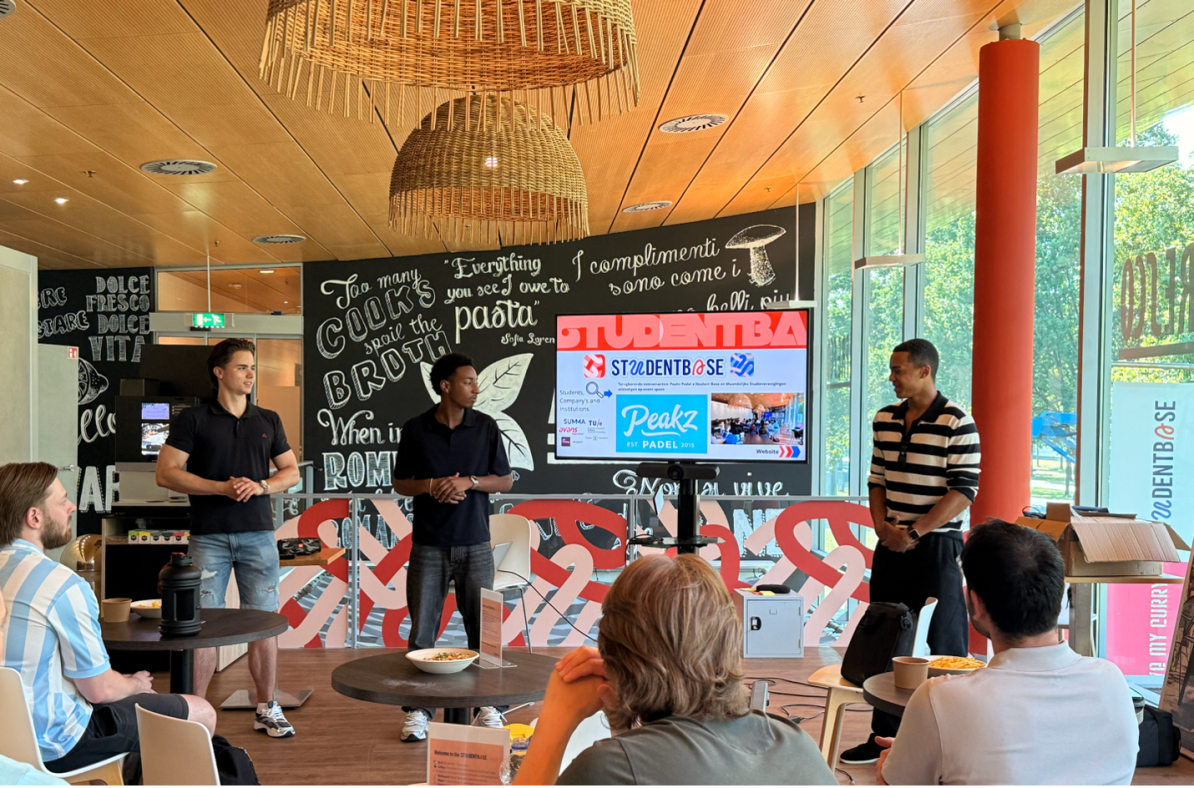
Last year, ITEA promoted its annual call with an information session at the AI Innovation Center, co-hosted with RVO, the Netherlands Enterprise Agency. The call was open to everyone, and an RVO representative walked attendees through the eligibility rules. In the Netherlands, RVO in general sets aside €10 million a year specifically for ITEA projects, covering a significant share of Dutch partners’ costs.
Quality in ITEA is crucial, and therefore a two-step process is initiated. First, the submitted project outlines are evaluated by the industry experts and proposals that make the cut can advance to the full project proposal, which is evaluated again.
Approved projects earn the ITEA label: independent confirmation from experts from the software domain that the idea is innovative and achievable. After receiving the ITEA label, partners can apply for funding at national level.
Although there is competition, chances for funding are relatively high in ITEA compared to other RD&I programs, as ~45-50% of the proposals generally receive the ITEA label. For example, there were 56 proposals submitted from the call in fall 2025. Board member experts narrowed the field to 28, and partners were invited to write full project proposals. In the end, three proposals were rejected, and 25 received labels. About 80 percent of these projects typically go on to launch.
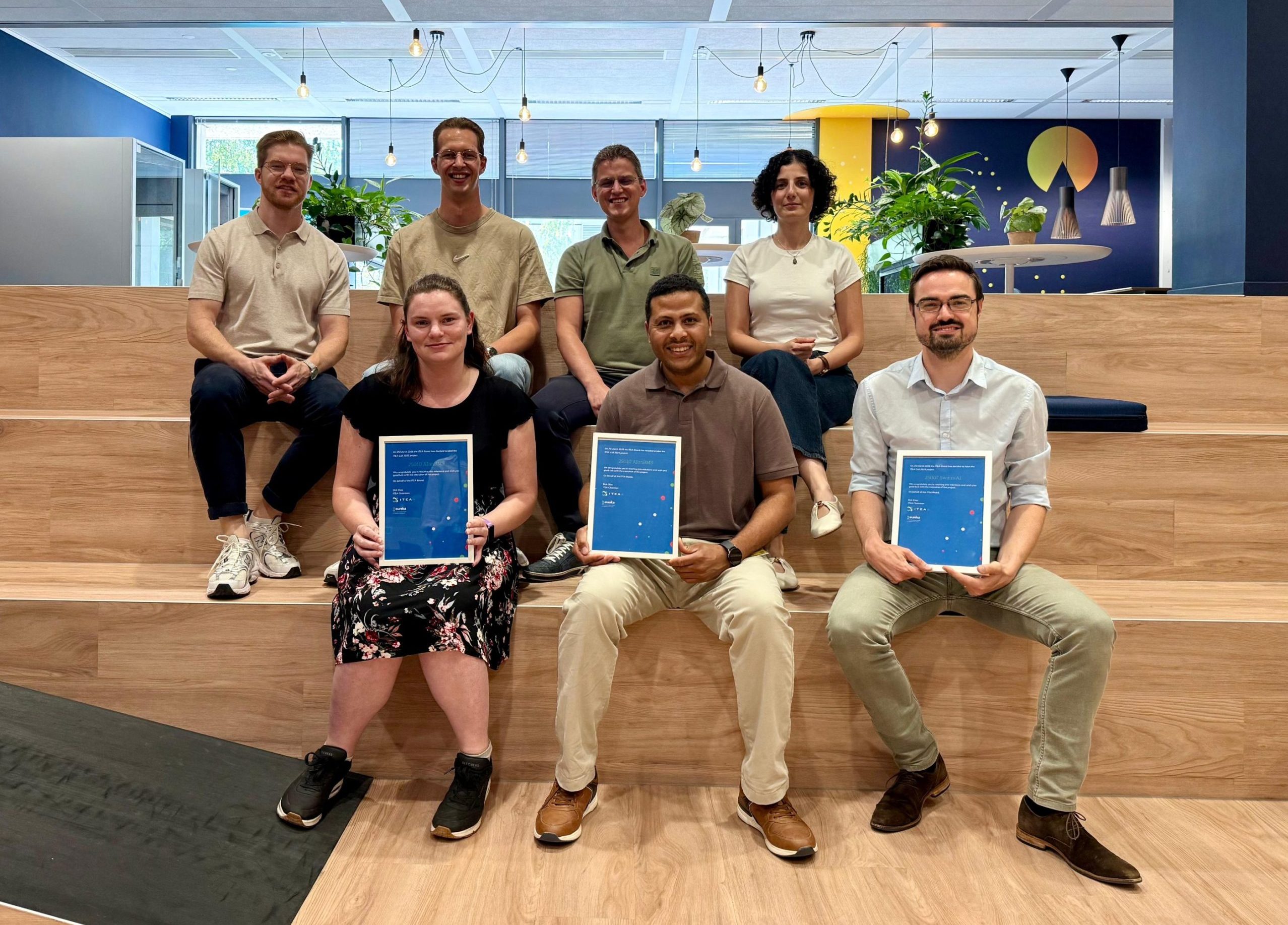
Three AI Innovation Center residents working on several projects
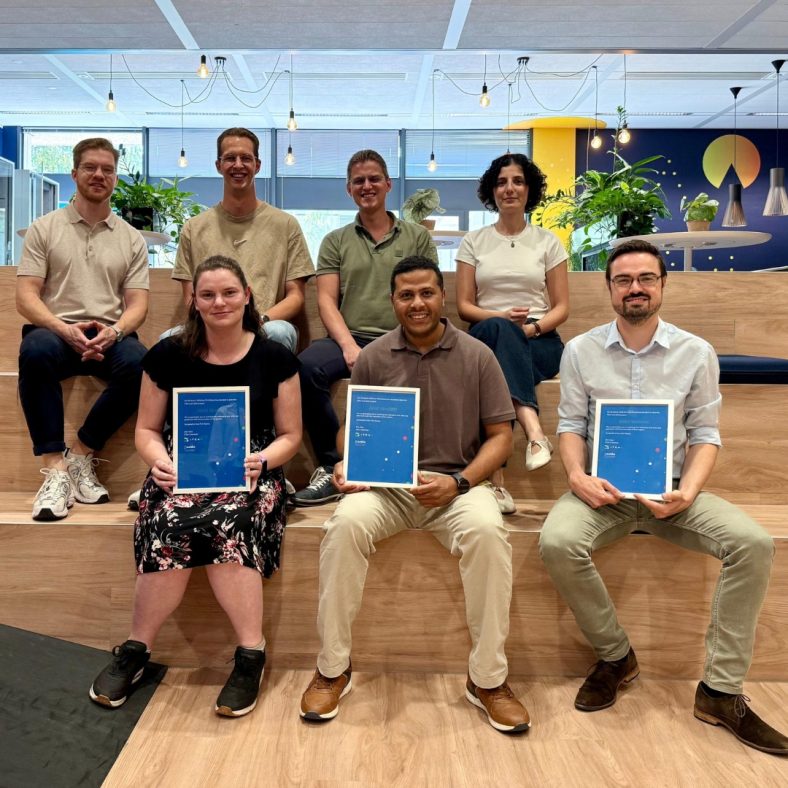
ITEA was once located elsewhere on Campus, but they are now at the center of the AI innovation ecosystem, where they join and lead knowledge-sharing events and come into daily contact with fast-growing AI companies. It was a wise move. Several companies from the AI Innovation Center attended last year’s info session and three of them now secured funding for their project proposal in ITEA’s latest call, Linda says.
Wattvise is leading Project AlonBMS, which tackles key challenges in Europe’s shift to renewable energy, including grid congestion, cybersecurity risks and technological dependence, by delivering an AI-enhanced, secure and interoperable battery and energy management ecosystem. Univia, located at the AI Innovation Center, TNO and High Tech Campus Eindhoven are also participating in the project.
Airvision (by Datacation) is participating in SwarmAI, which delivers a secure system under human supervision that allows heterogeneous vehicles, such as drones, ground robots and boats, to communicate, make local autonomous decisions and work collaboratively, even when GPS or network connections are unreliable.
For Linda, the proximity to partners is vital for collaboration. As AIIC residents become more involved in ITEA projects, neighboring companies ask about their proudly displayed ITEA labels. And, of course, innovation sparks growth. “We’ve had partner companies grow from three employees to twenty,” she says, through the network, the guidance and the technology. It is, she admits, one of the Campus’ best-kept secrets. But perhaps not for long.
ITEA’s next big event is in Istanbul, September 15-17. See all the upcoming ITEA-related events here.
The new tagline for High Tech Campus Eindhoven is “homebase for breakthrough innovation and technology.” While technology is necessary for innovation, the ITEA-AIIC connection reminds us that we also need ecosystem orchestrators to pull together all the players. A 12‑person team, embedded in the right ecosystem, can help turn local AI companies into global collaborators simply by providing the structure, the path to funding and the room for good ideas to meet the right partners at the right time.
Inside the AI Innovation Center: Meet ITEA