HTCE is XIVER’s headquarters and technological heart: an interview with CEO Wil van de Wiel
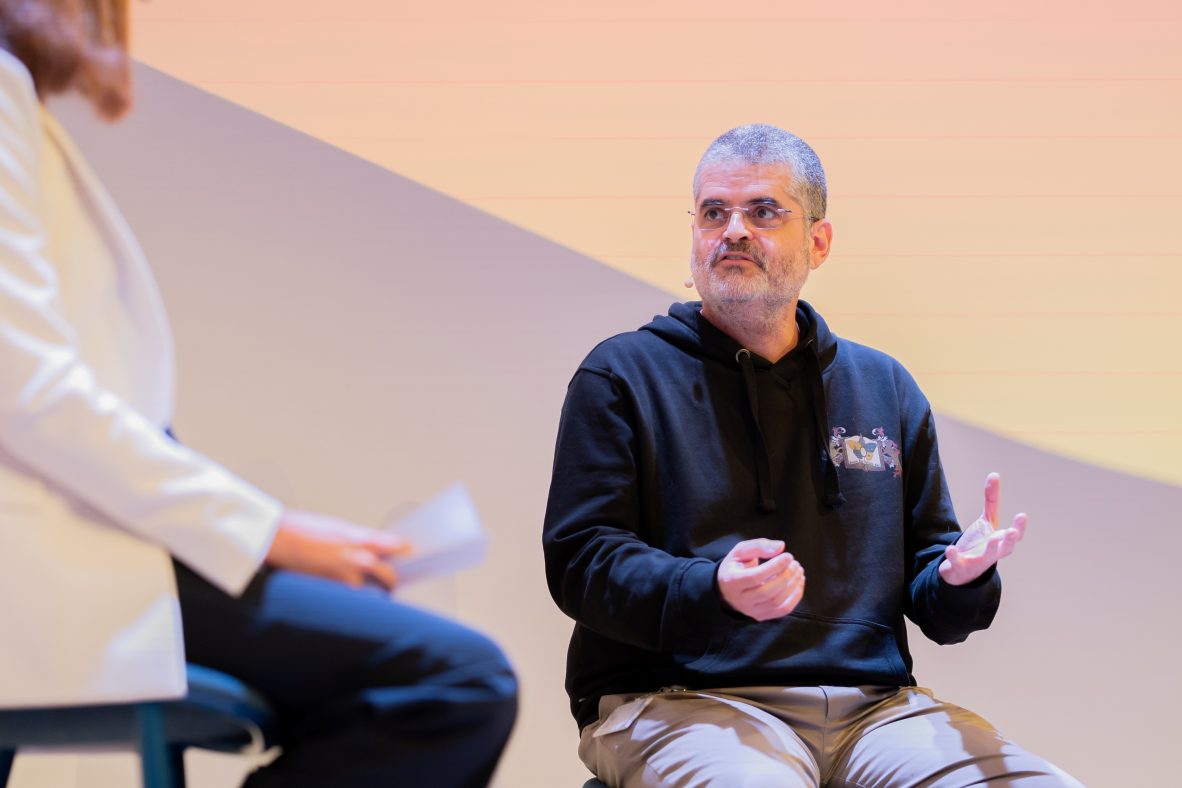
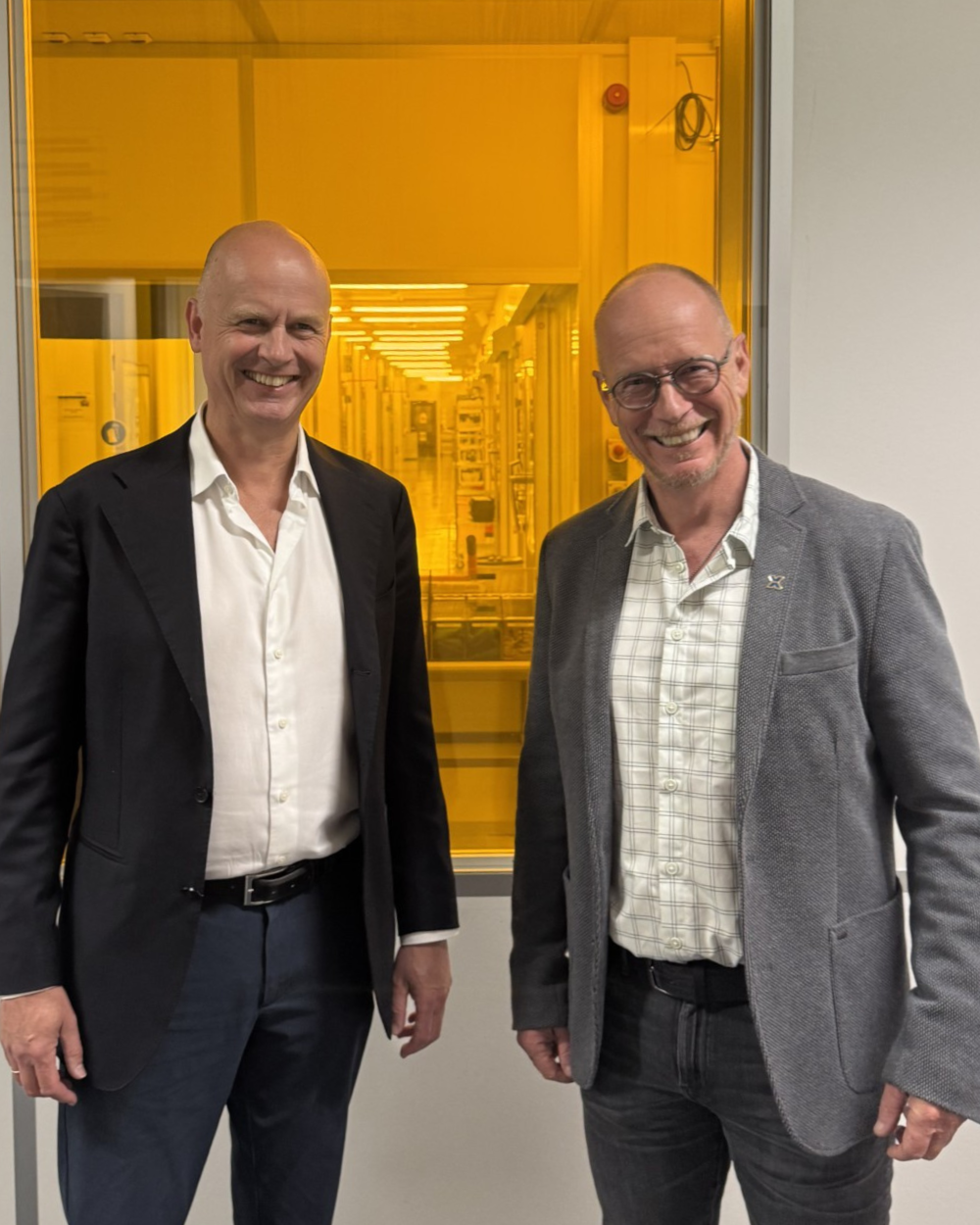
High Tech Campus Eindhoven will remain XIVER’s headquarters and technological heart, where the factory at HTC 4 will be further expanded as a location for complex, customer-specific production and development. In an interview with Bart Brouwers, journalist at IO+ and co-founder of Media52, XIVER CEO Wil van de Wiel explains how saying ‘no’ more often is helping the company grow faster.
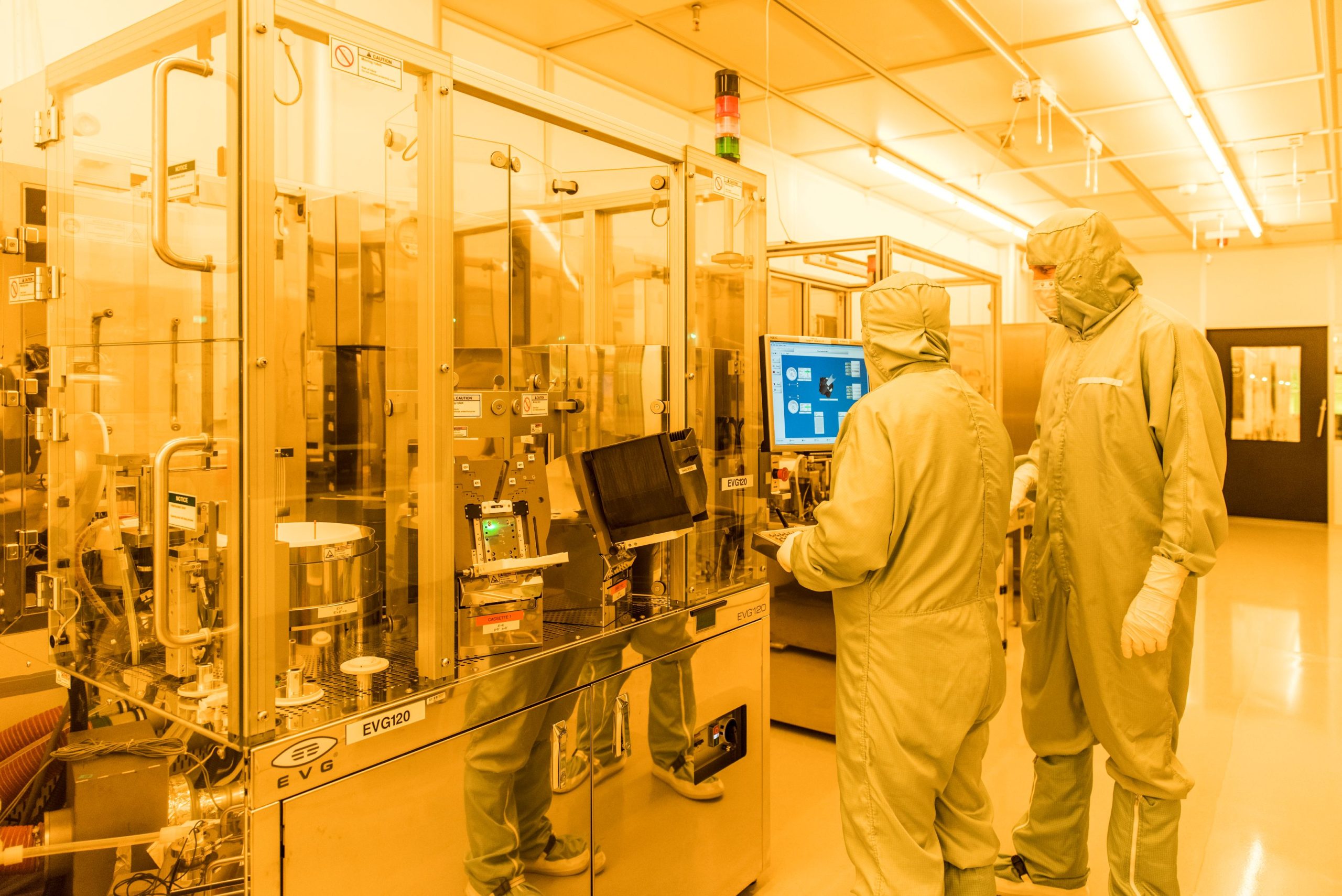
The former Philips MEMS foundry is choosing sharper markets, larger customers and a role much earlier in the development process. CEO Wil van de Wiel: “We are not just a foundry. We develop, industrialise and manufacture.”
Anyone who still sees XIVER (headquartered at High Tech Campus Eindhoven) primarily as Philips’ former MEMS division is missing an important part of the story. The spin-off was necessary to enable the company to look outward. But the real change came afterwards: XIVER had to learn to choose.
“We moved from technology push to market pull,” says CEO Wil van de Wiel. “That has major consequences. You first have to know what you are truly good at. Not what Philips said you should be good at, but what the market is waiting for.”
The shift may sound logical, but it was far from automatic. As an independent company, XIVER was receiving requests from every direction. Its cleanroom, expertise in thin films, MEMS and microfabrication, and deep experience in industrialisation proved far more attractive to external parties than had ever been visible within Philips. The pitfall was immediately apparent: when everyone comes knocking, how do you avoid trying to do everything?
XIVER’s answer is remarkably simple: say no more often. It works pretty well for the former Gerard & Anton Award winner.
Three markets, not thirty
The first period after the carve-out was dominated by market research, marketing and market intelligence. These were areas that had barely been necessary within Philips, where the internal roadmap determined where attention went. XIVER now had to find out for itself where its technology, infrastructure and people could add the most value.
That led to three clear priorities.
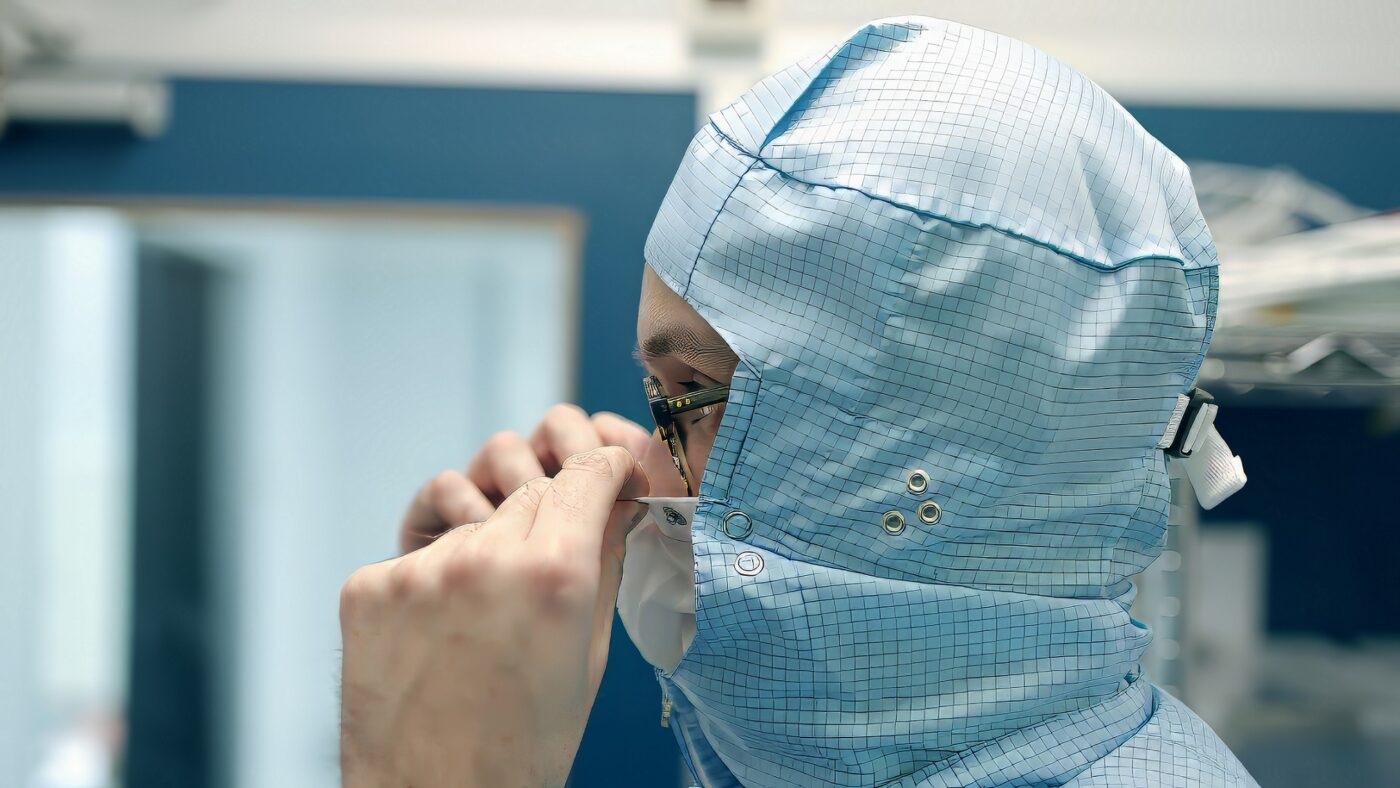
The largest business line is semiconductor metrology and equipment: specialised components and production processes for the chip industry, including measuring equipment and infrared applications. This currently accounts for around 65 per cent of capacity and revenue.
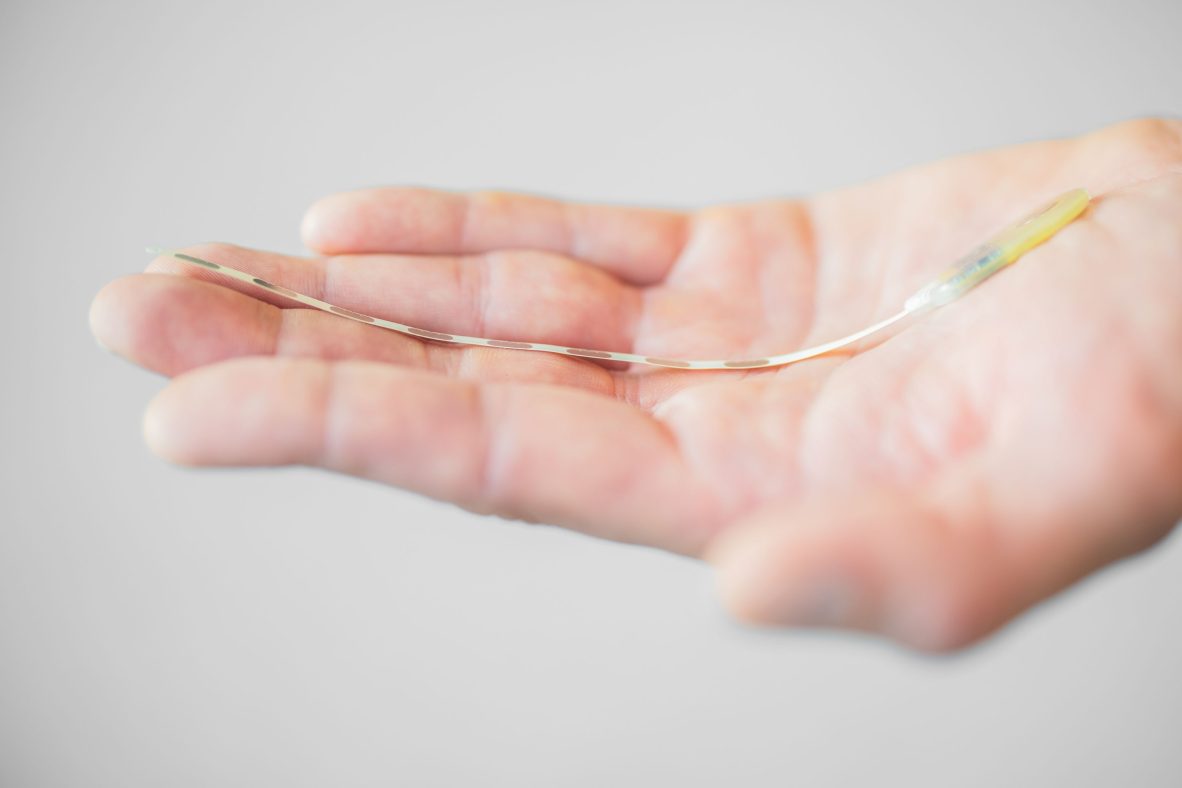
XIVER also remains active in transducer technology, including capacitive micromachined ultrasound transducers (CMUT). This is a promising market, particularly for medical applications, but it also entails lengthy development and validation timelines. Clinical studies can take years. On the other hand, “when an application breaks through there, it immediately moves fast,” says Van de Wiel.
The third pillar is photonics, especially for high-speed data communications. This activity is still smaller than the semiconductor metrology business, but according to XIVER, it has the greatest growth potential. The company recently secured a multi-million-euro project in that market.
Anything outside those three domains does not automatically receive a yes. “Normally, we say: not right now,” says Van de Wiel. “Unless someone comes with an offer we cannot refuse. But we have to remain focused.”
That policy also affects XIVER’s customer profile. In its early phase, the company relied mainly on start-ups: around 70 per cent of its customer base consisted of young companies. That ratio has now been reversed. Around 70 per cent of customers are now established international companies.
That does not mean start-ups have no chance. But an interesting technology alone is no longer enough. “A start-up with a nice technology does not automatically excite us. We want to know: where is the customer, where is the market, what is their position?” A start-up with a concrete launching customer can still be an excellent fit. Without that commercial foundation, the risk for XIVER is too high.
Not a standard foundry, but an industrialisation partner
That sharper customer selection is directly linked to the way XIVER wants to differentiate itself. The company does not want to operate as a conventional foundry that only enters the picture once a design is almost fixed and can be manufactured using a standard process kit.
Instead, XIVER becomes involved during the design phase. The customer develops the function of a device or component. XIVER then looks at manufacturability: which materials, structures and process steps are needed to produce that desired function reliably, reproducibly and at scale? “We do not determine the function for the customer,” says Van de Wiel. “They are better at that themselves. But we show them how to make that function manufacturable.”
XIVER then takes over the process step by step. Together with the customer, it first defines a minimum viable product. XIVER subsequently develops the manufacturing process, proves it through prototypes and pilot manufacturing, and works towards sufficient yield for release for production.
The ambition is to complete that trajectory in around nine months: three months to a first working product, three months to a proven process, and then another three months to the decision to industrialise.
That speed is essential. According to Van de Wiel, for larger customers, the value is not primarily in the lower price. Their main question is: when will it be ready, and can we trust that it will work then?
That is precisely where XIVER wants to make a difference. The company does not produce commoditised chips in enormous volumes, but complex, highly specialised components in a low/medium-volume, high-mix environment. The aim is not mass production for its own sake, but bridging the gap between a strong technical idea and a manufacturable product.
A missing link from the Philips past
Van de Wiel also sees a broader significance for Brainport. He began his career at Philips’ Centre for Manufacturing Technology, where design for manufacturing and industrialisation were central. Over the years, that expertise became fragmented across companies, departments and specialised supply-chain partners. XIVER is trying to organise precisely that capability again. “Thinking along on design for manufacturing, industrialising and taking on the first production: we are filling that role now.”
That is also why XIVER prefers not to present itself solely as a MEMS foundry. MEMS remains an important technological foundation, but the commercial promise is broader: helping companies bring complex microtechnology from design to production more quickly.
The international market appears to confirm that position. Only around 10 per cent of revenue comes from the Netherlands. Some 60 per cent comes from Europe and 30 per cent from the United States. XIVER is also working on projects for European and Dutch defence organisations, making cybersecurity, auditability and the compartmentalisation of sensitive information increasingly important.
The open culture XIVER seeks to foster internally, therefore, has its limits. Employees need to know which projects are underway and why certain priorities are being set, but sensitive customer information is strictly shielded. The requirements of international customers are becoming more demanding, says Van de Wiel. “It is already difficult for an outsider now, but soon you will not be able to simply walk in at all.”
From Philips culture to a scaling company
The commercial transition also requires a different internal culture. XIVER employs many technological specialists with Philips backgrounds, but Van de Wiel wanted to prevent the company from remaining stuck in an environment where good technology does not always lead to a product reaching the market. “The people here are technologically the best of the best,” he says. “Their frustration was often that nothing ultimately came of it. Now they see that their work actually leads somewhere.”
Not everyone felt at home in that different pace. According to Van de Wiel, around 20 per cent of the workforce has since changed. At the same time, a commercial organisation has been built that works much more closely alongside engineers and operations staff than is common in a traditional R&D model.
That has had tangible effects. In one project, an initial lead time of 22 weeks was reduced to four weeks after different teams began examining the process together. “Not because the technology suddenly changed, but because people found each other earlier and everyone felt the same urgency.”
XIVER will soon make that shared responsibility visible in the financials as well. The company is introducing a share programme for all employees, from operators to developers and management. “Everyone is in the same boat,” says Van de Wiel. “Everyone is needed, so everyone gets skin in the game.”
Continued growth
The first figures support the growth expectations. By its own estimate, XIVER generated € 17-18 million in revenue in 2024, when it was still part of Philips. In 2025, that grew to approximately € 20 million, despite much of the first half of the year being consumed by the practical consequences of the spin-off: new systems, contracts, bank accounts, agreements with trade unions, and the full construction of an independent company.
For 2026, XIVER expects to break even and become profitable. Looking towards 2030, Van de Wiel is targeting revenue of €80 to €90 million and around 240 employees, double the current workforce.
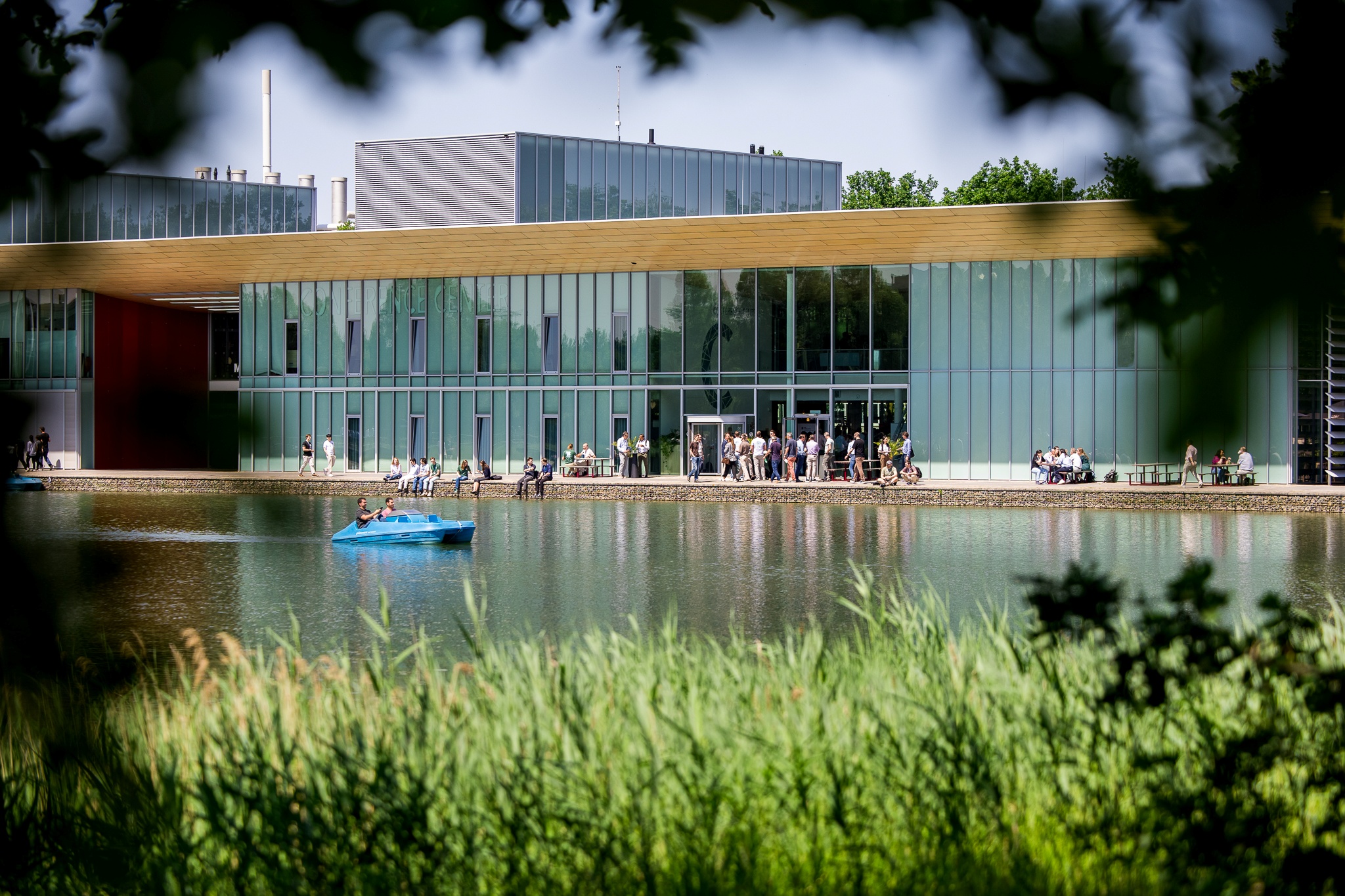
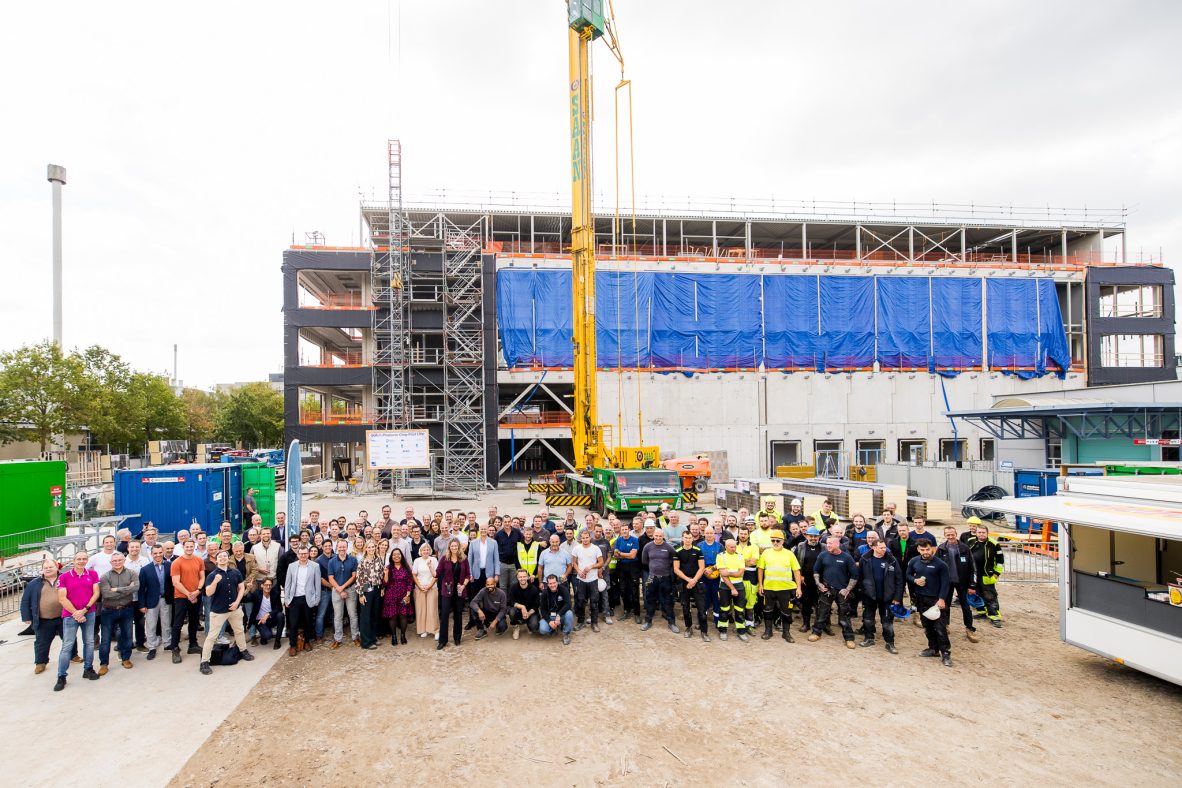
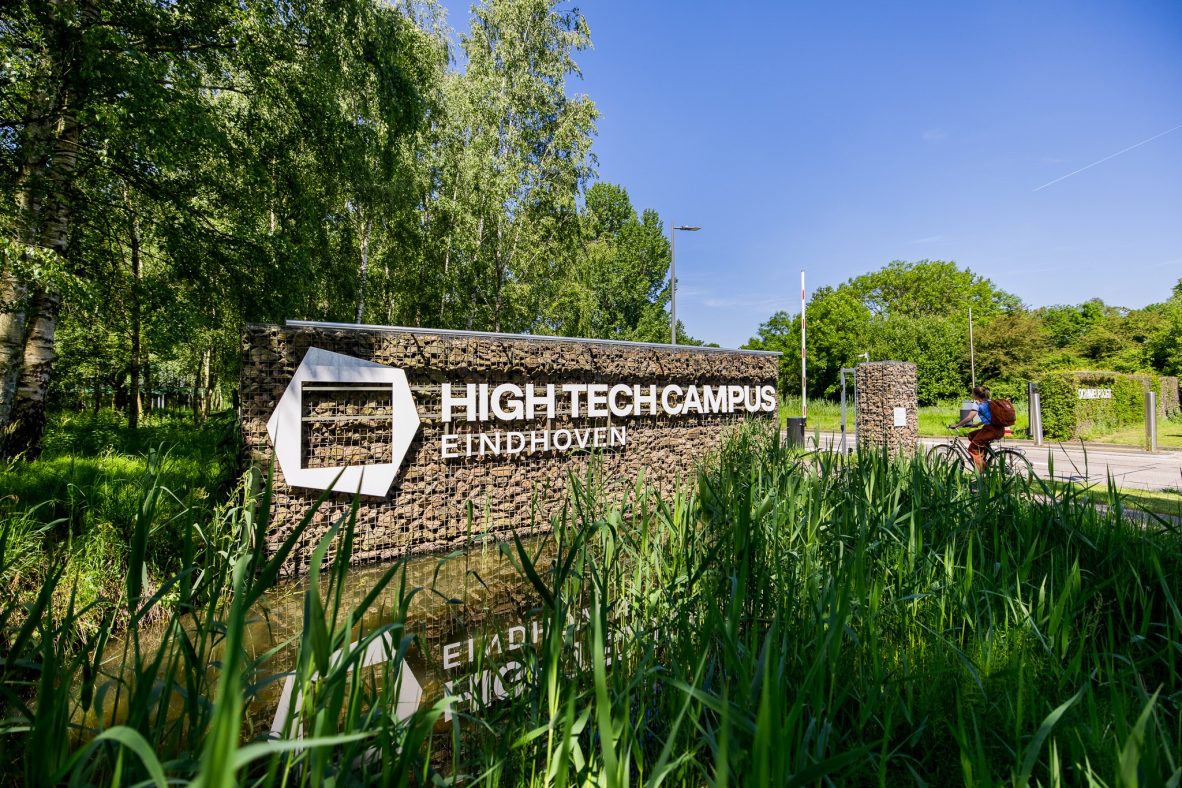
The High Tech Campus will remain the company’s headquarters and technological heart. Should its US customer base continue to grow, XIVER sees local production in the United States as a logical long-term option. For now, however, the company expects the strongest growth in Europe.
The factory at the High Tech Campus will therefore not disappear, but will instead be further expanded as a location for complex, customer-specific production and development. Otto van den Boogaard, CEO of High Tech Campus Eindhoven, is more than happy with these developments: “XIVER demonstrates what is possible when deep technological expertise is combined with entrepreneurship and a clear market vision. Their transformation into an open innovation and manufacturing partner is creating tremendous value for the wider ecosystem. From High Tech Campus Eindhoven, XIVER is well-positioned to accelerate its growth and further expand its impact across the semiconductor and photonics industries.”
XIVER’s independence was therefore not only about separating from Philips. It gave the company the freedom to decide for itself which markets, customers and technologies it does (and does not) want to serve. And that freedom to say no may now be the most important condition for saying yes to growth.