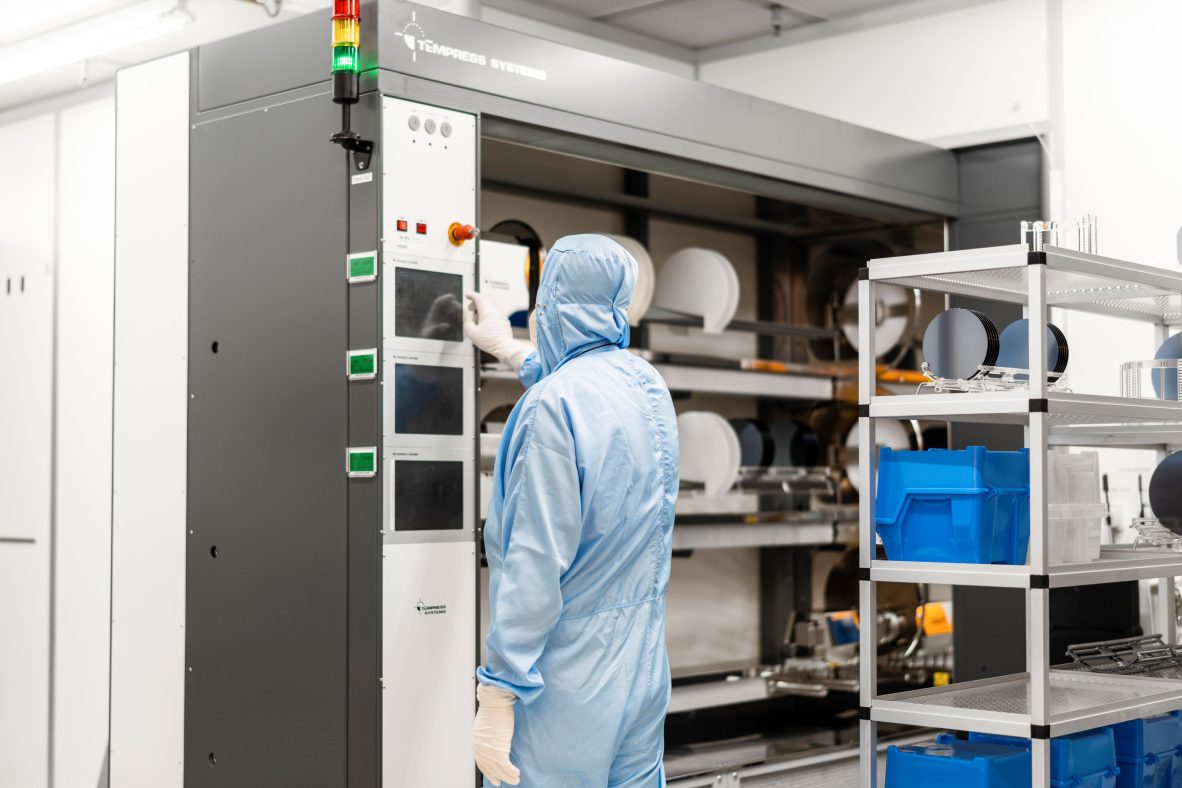
Sustainability and biodiversity at High Tech Campus Eindhoven
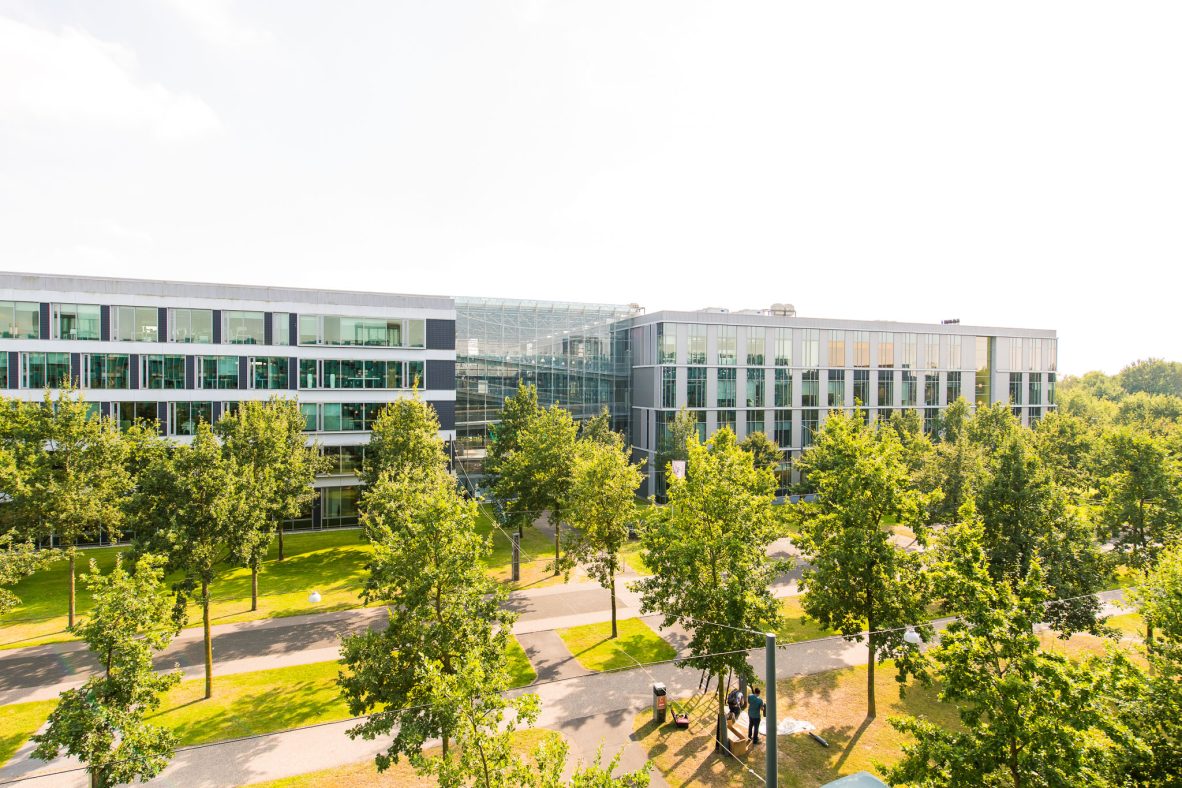
Despite the fast pace of innovation and 300+ companies developing breakthrough technologies, High Tech Campus Eindhoven is deliberate about protecting and expanding its abundant wildlife.
About 20% of Campus sits within the Dutch Nature Network. You wouldn’t expect a beaver to be one of High Tech Campus’s top engineers. Or falcons to outrace anything on the road here. But step away from the clean rooms, labs and offices, and HTCE has another workforce clocking in: martins digging tunnels, orchids claiming pond edges, bats moving in and out of an old water cellar.
We don’t take it for granted but rather we celebrate the abundance of nature at High Tech Campus.
Here’s what’s quietly (and not so quietly) thriving on Campus.
Along the Dommel
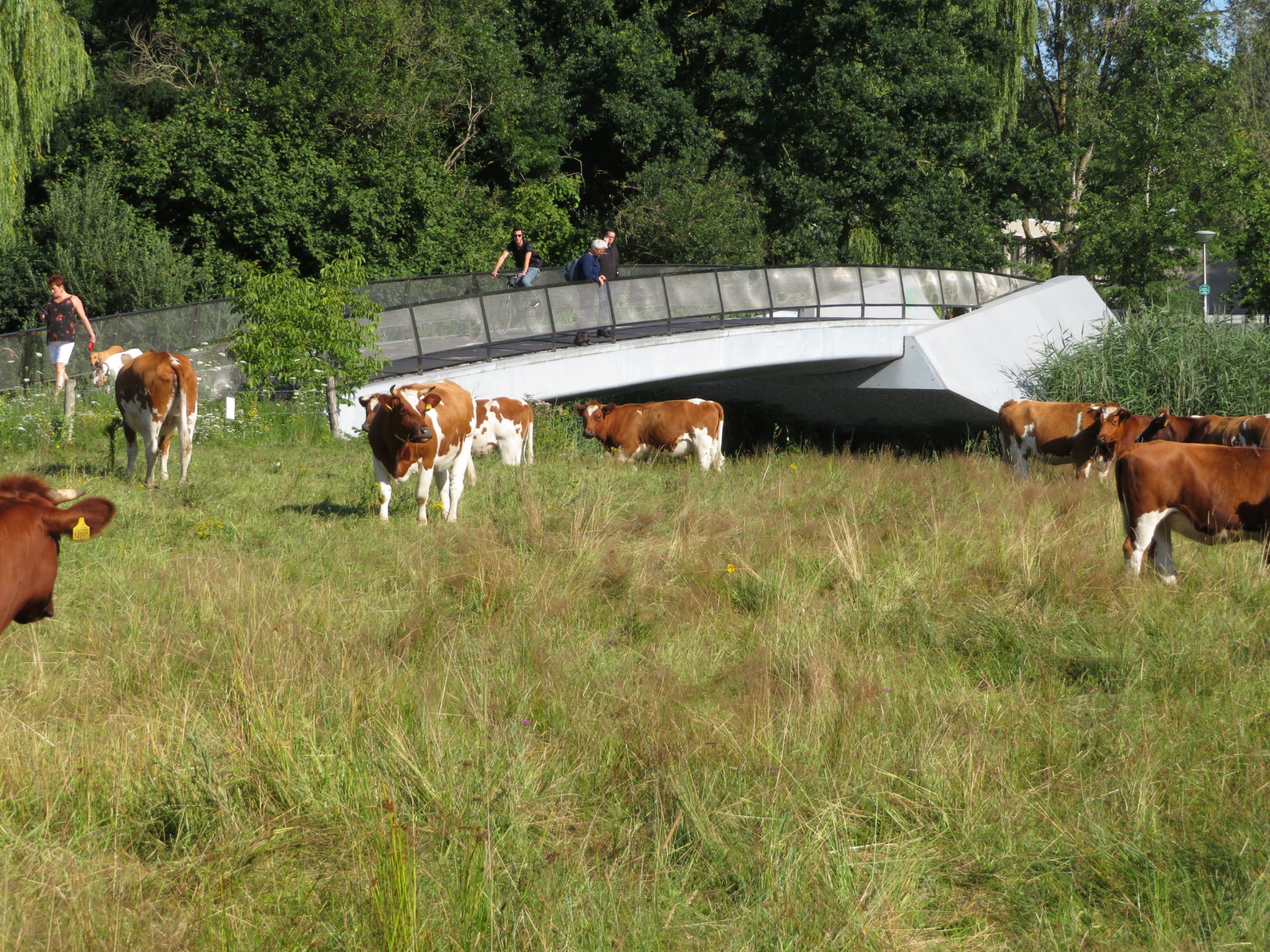
- 15 hectares of grassland, hedges and canals, managed with city farm De Genneper Hoeve, where cows graze undisturbed along the lazy river
- 5 hectares of old forest with oak, silver birch, alder buckthorn and Scots pine (zomereik, ruwe berk, vuilboom, grove den.)
- There are some special finds in the undergrowth, such as Solomon’s Seal and common cow wheat (salomonszegels, hengel).
Water Management
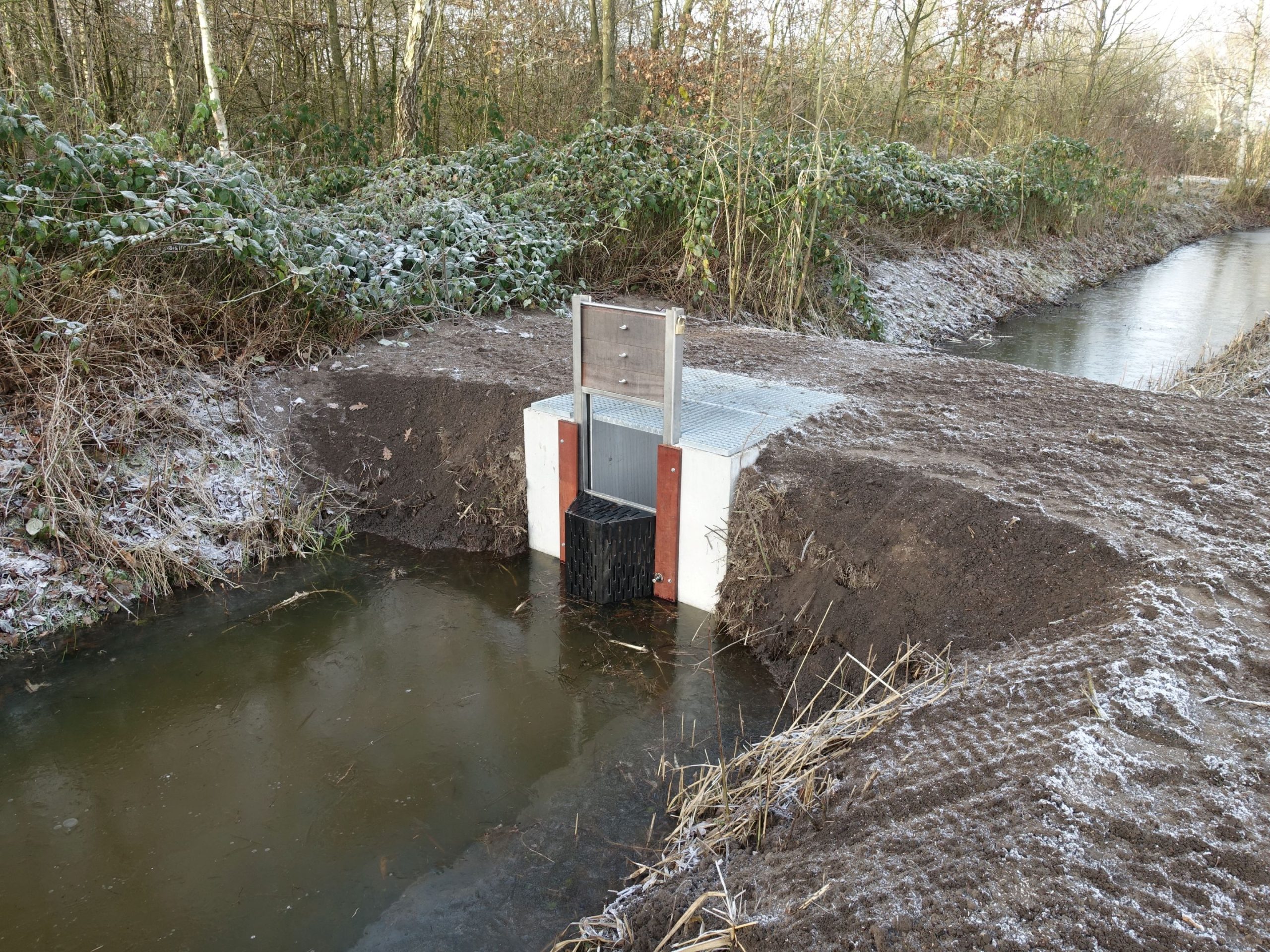
Weirs (small, low-head dams built across a river or stream to raise the water level upstream or regulate water flow) and soil dams help hold water on-site, easing drought conditions and protecting groundwater levels. The soil dams have been installed near the Dommel River to help retain water in the area. One weir by the nursery does a balancing act. It drains slowly at high water levels and seals shut when levels drop.
The lake
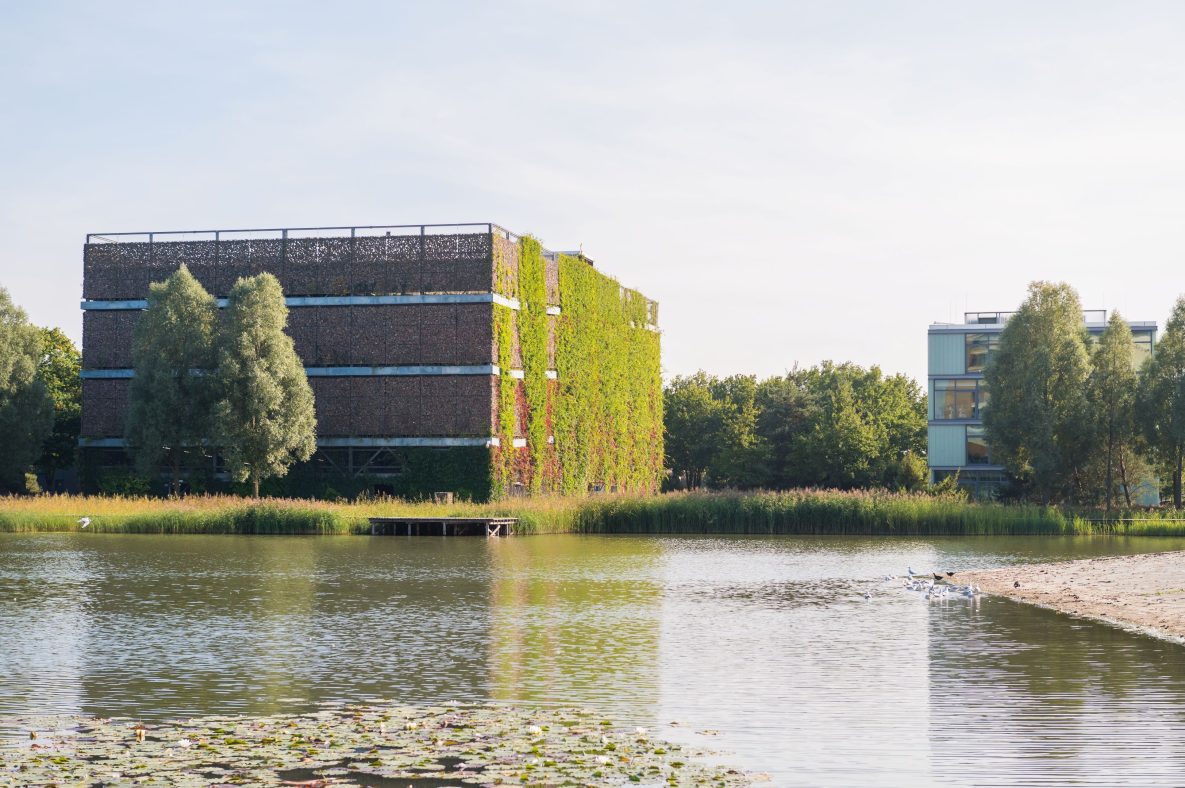
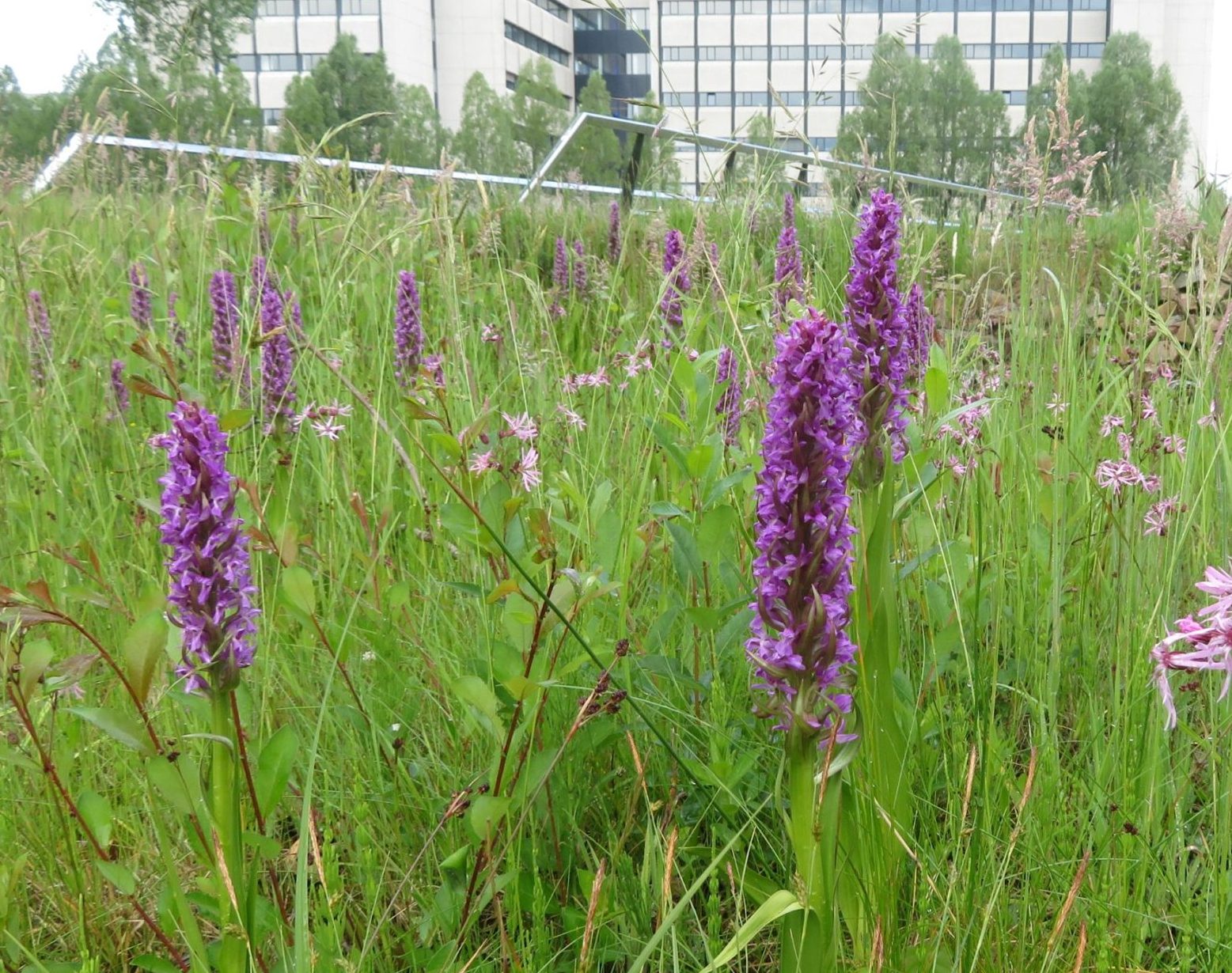
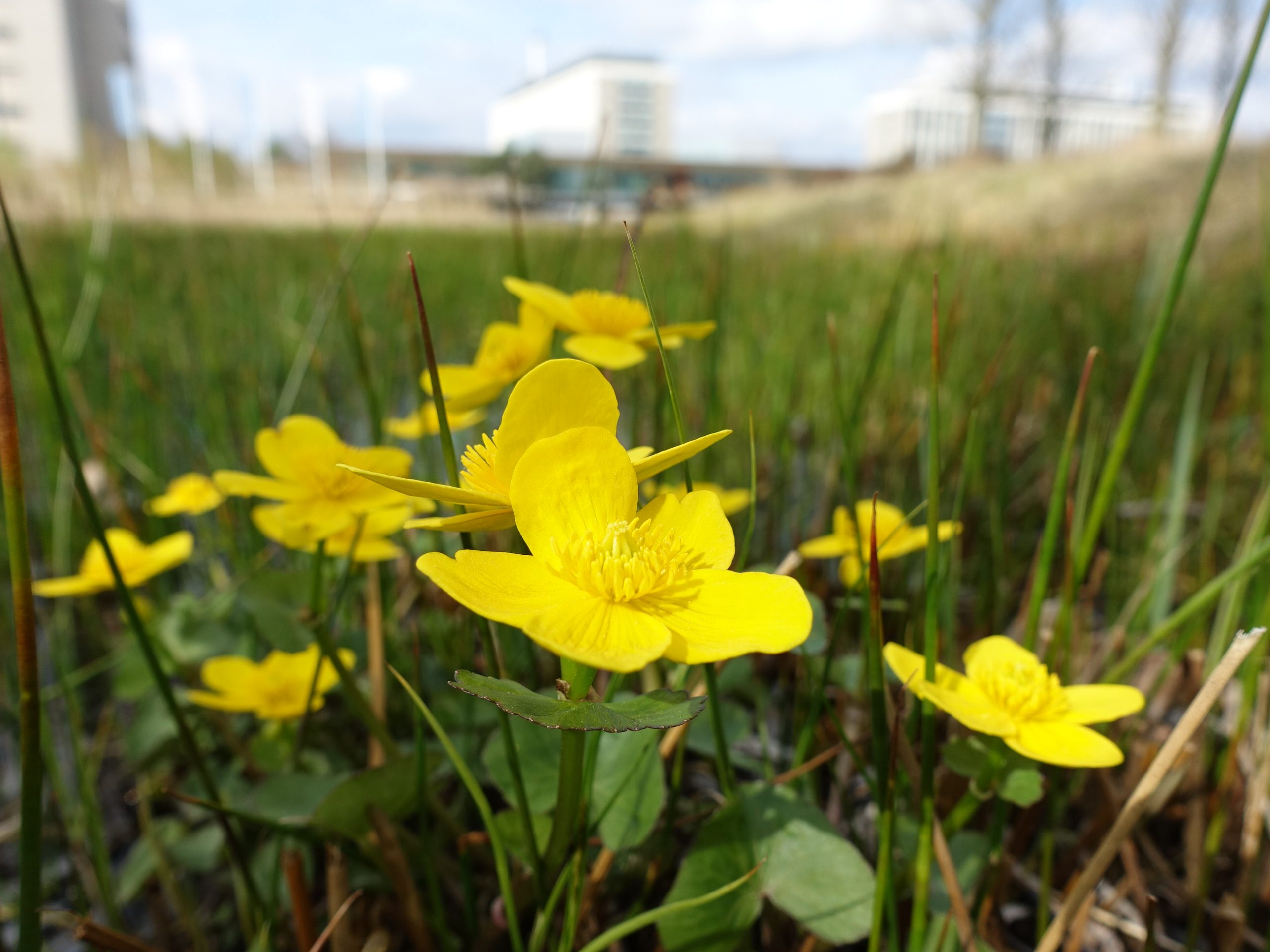
Three orchid species grow at the lake’s edge, where the transition from wet to dry creates different habitats for plants. Reed beds are mowed in patches (never more than 30% a year, while some sections are left untouched) so birds and insects can always find the habitat that suits them best.
The newest lakeside resident is a beaver, who’s moved in from the Dommel Valley and built quite the reputation for speed. Rumor has it the High Tech Bever can gnaw down a tree in under a minute. Watch the video and see for yourself!
The heath
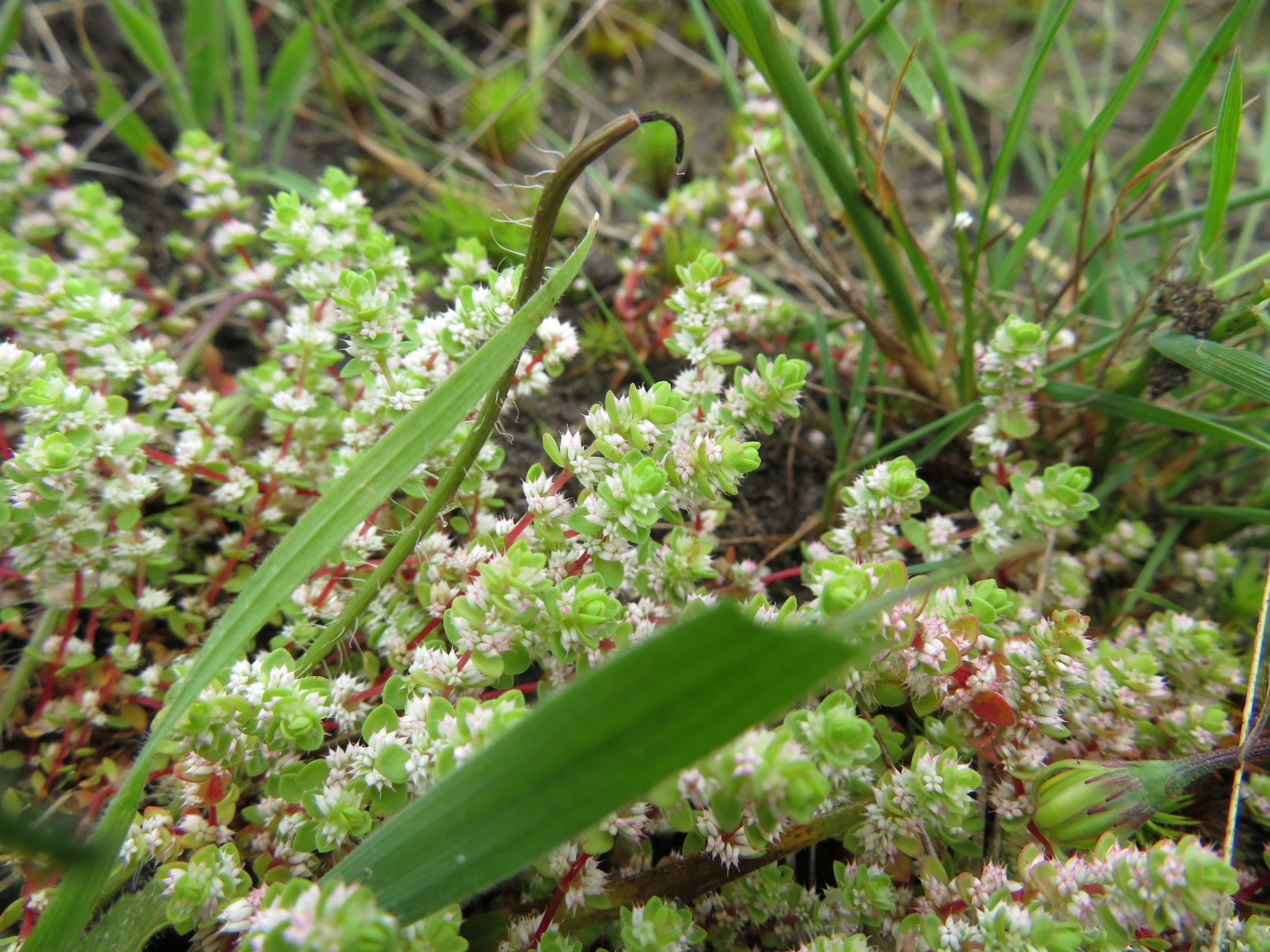
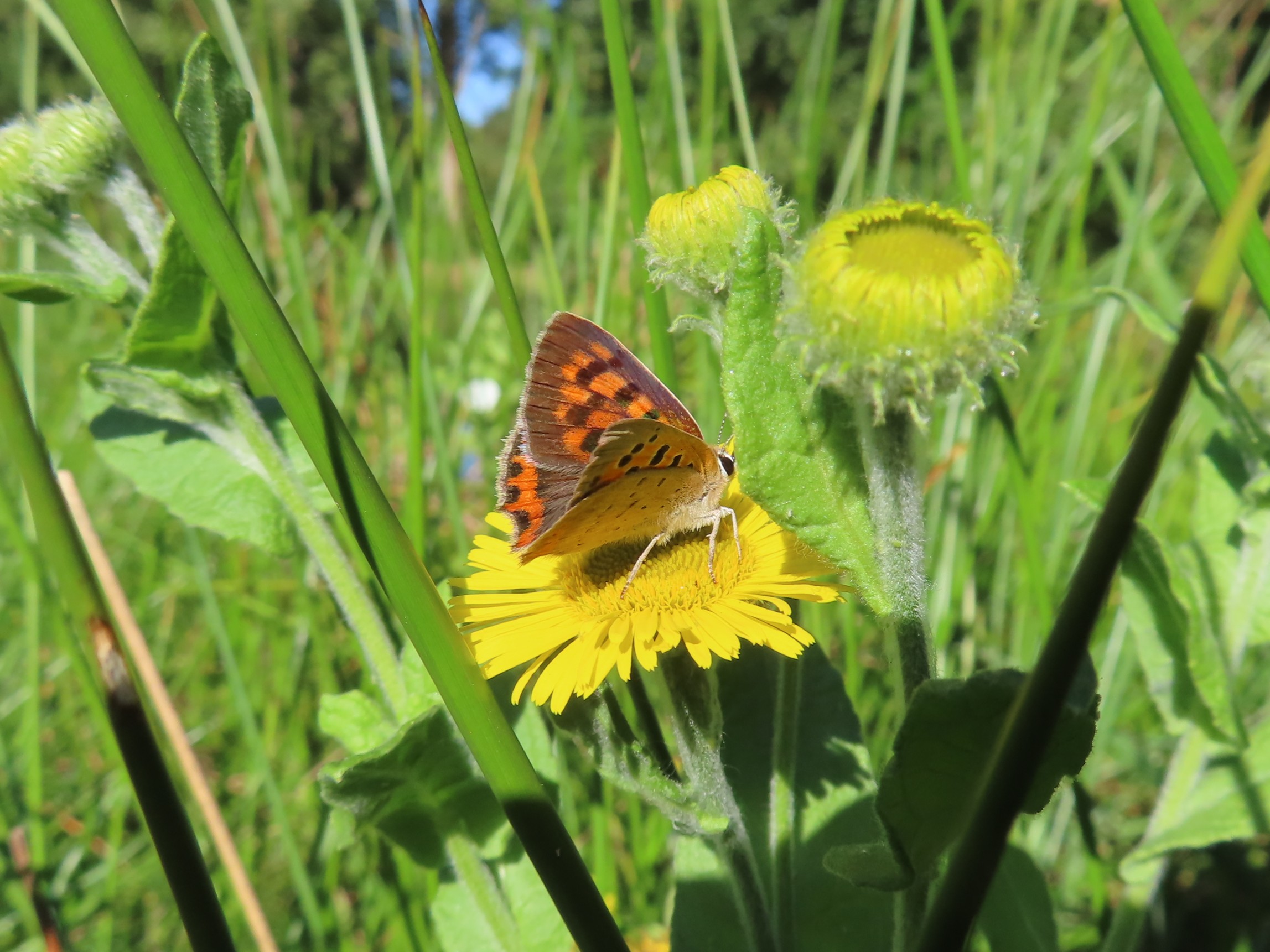
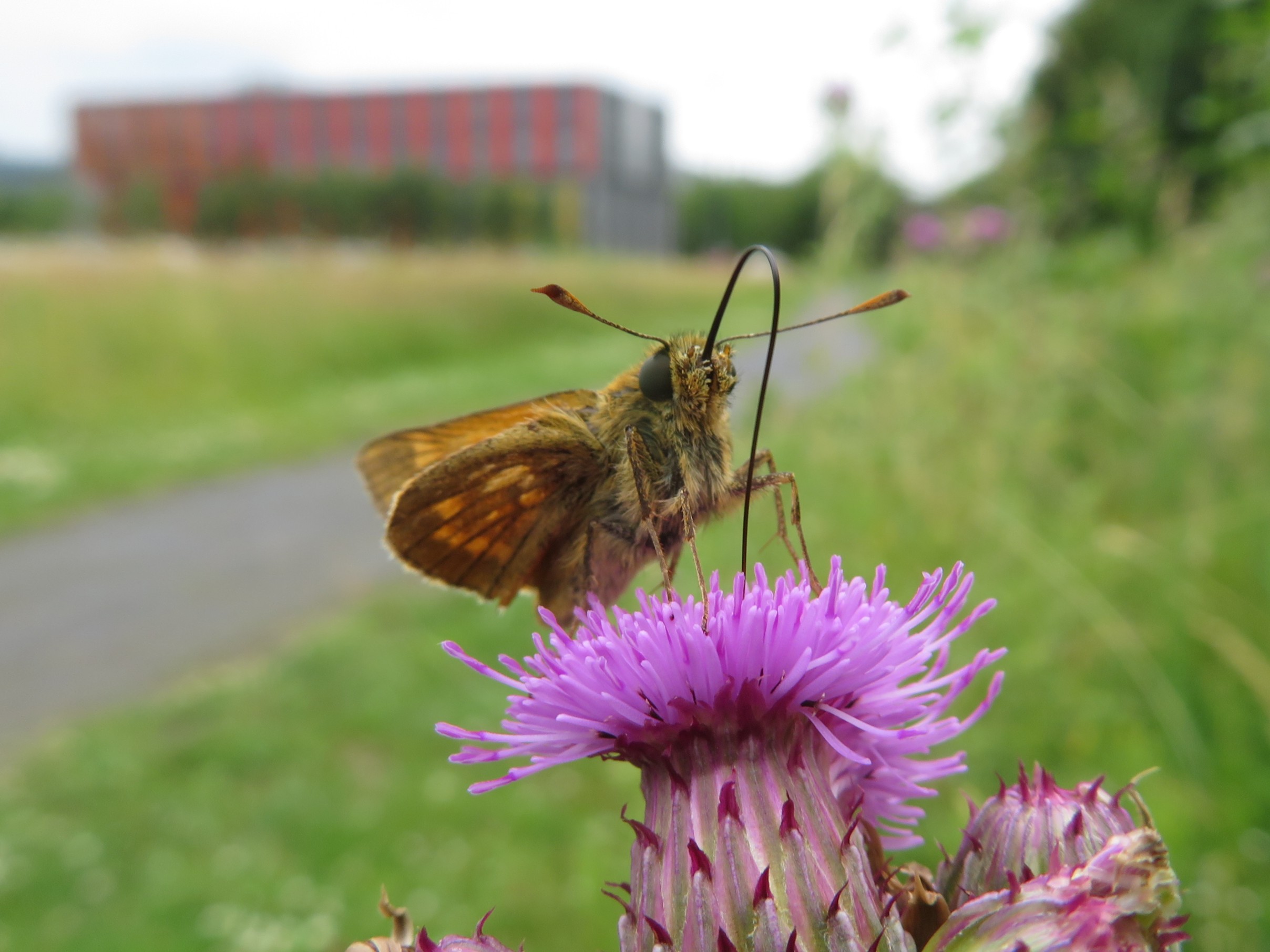
The heath is dry, sunbaked ground, a perfect home for blue-winged grasshoppers and green ground beetles (Dutch: Blauwe vleugel sprinkhaan en de groene loopkever). The blue-winged grasshopper is gradually moving north as summers become warmer. Among the heather, coral necklace and gorse now grow here too, which are rare finds for High Tech Campus Eindhoven. (Dutch: grondster en stekelbrem). Butterflies love these warm, herb-rich spots as well.
Counting dragonflies
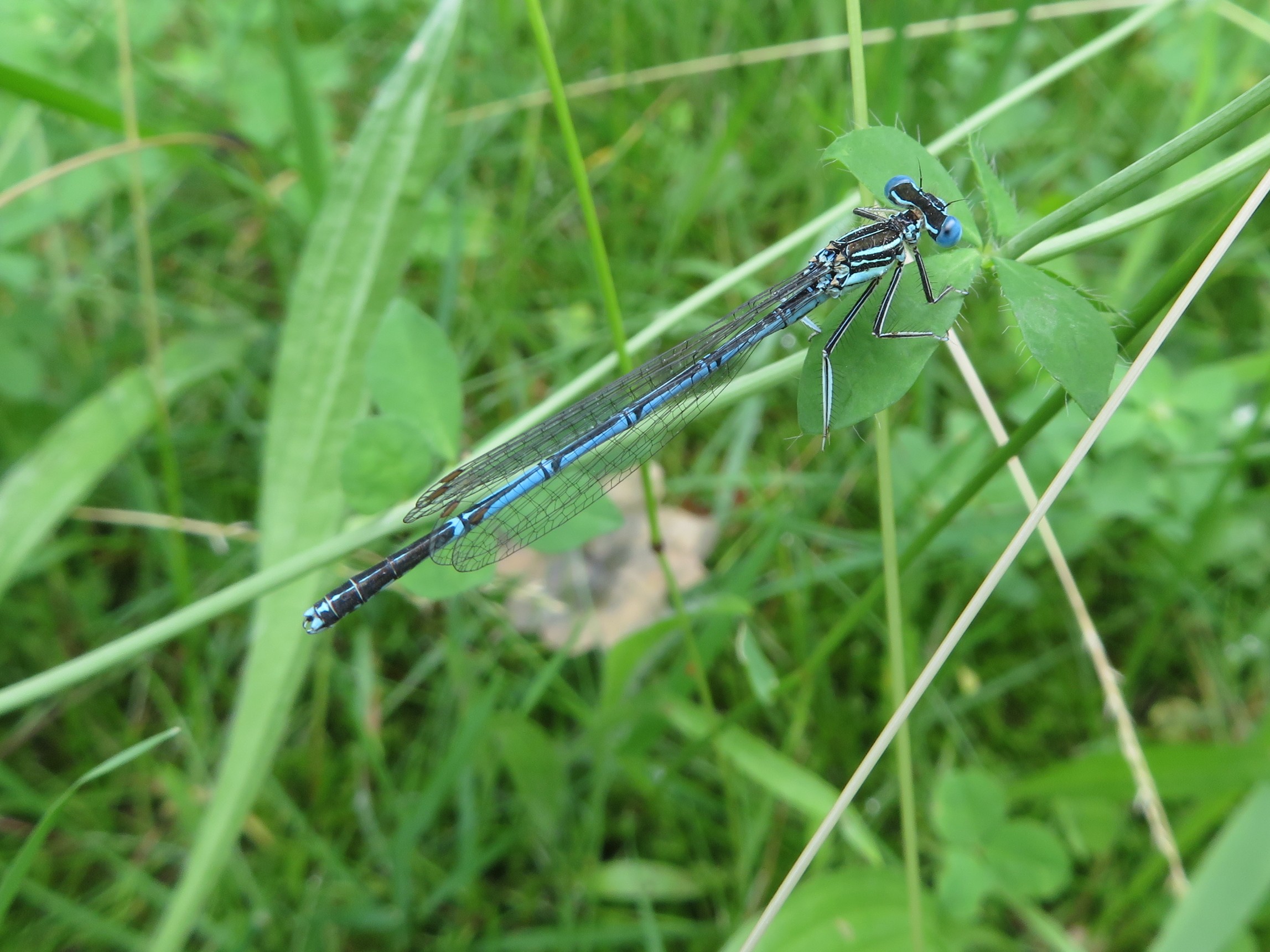
Biodiversity isn’t just something we admire; we measure it too. Together with Waterschap De Dommel, we monitor dragonflies (libellen) in the Dommel Valley, recording both the species and number spotted according to a standard monitoring method.
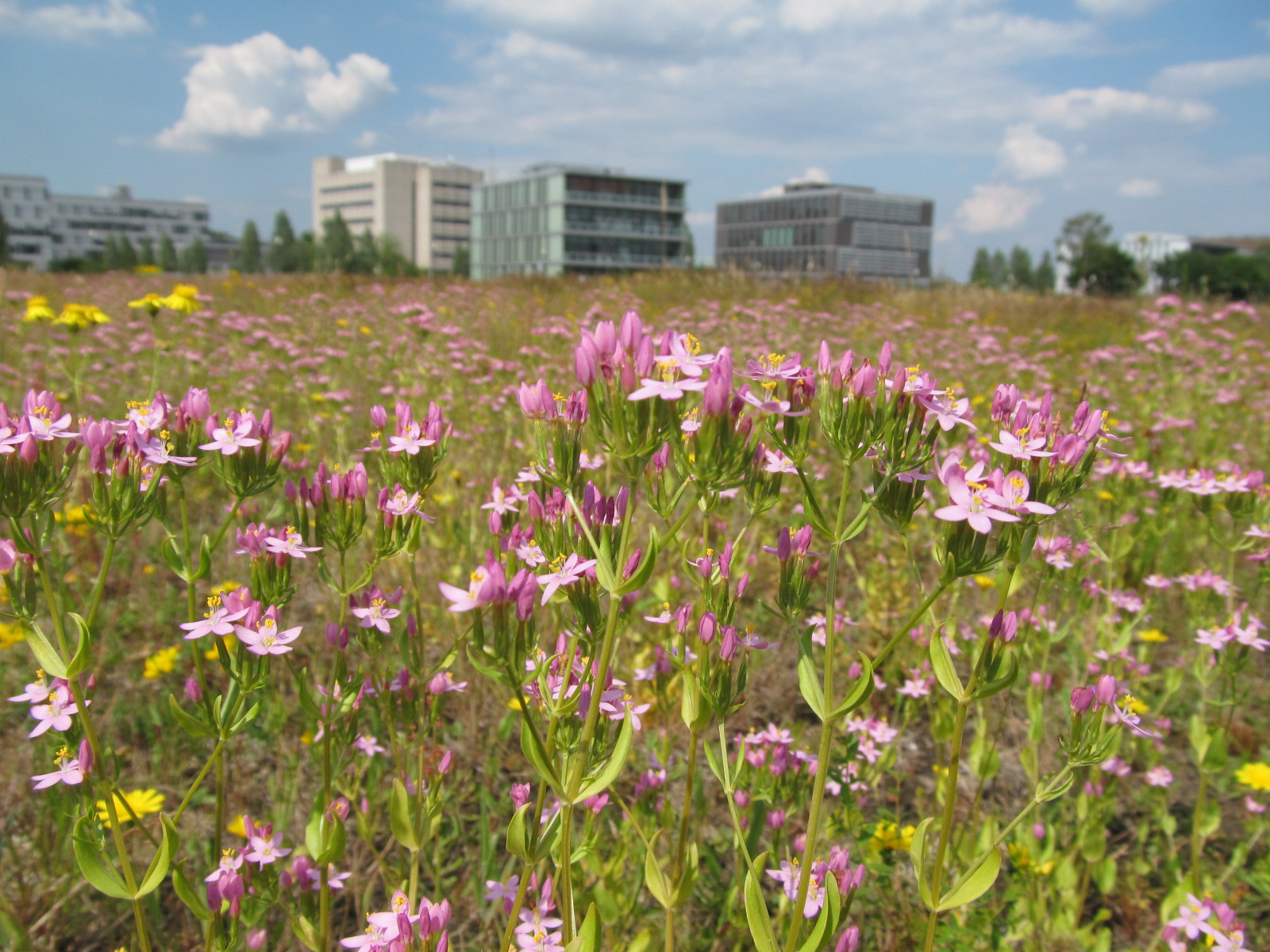
Dragonflies aren’t the only species being tracked. A survey of plant life on Campus also revealed several notable species, including common centaury, coral necklace and, of course, the orchids growing around the lake. (Duizendguldenkruid, grondster, orchideeën.)
Sand martin wall: If you build it, they will come
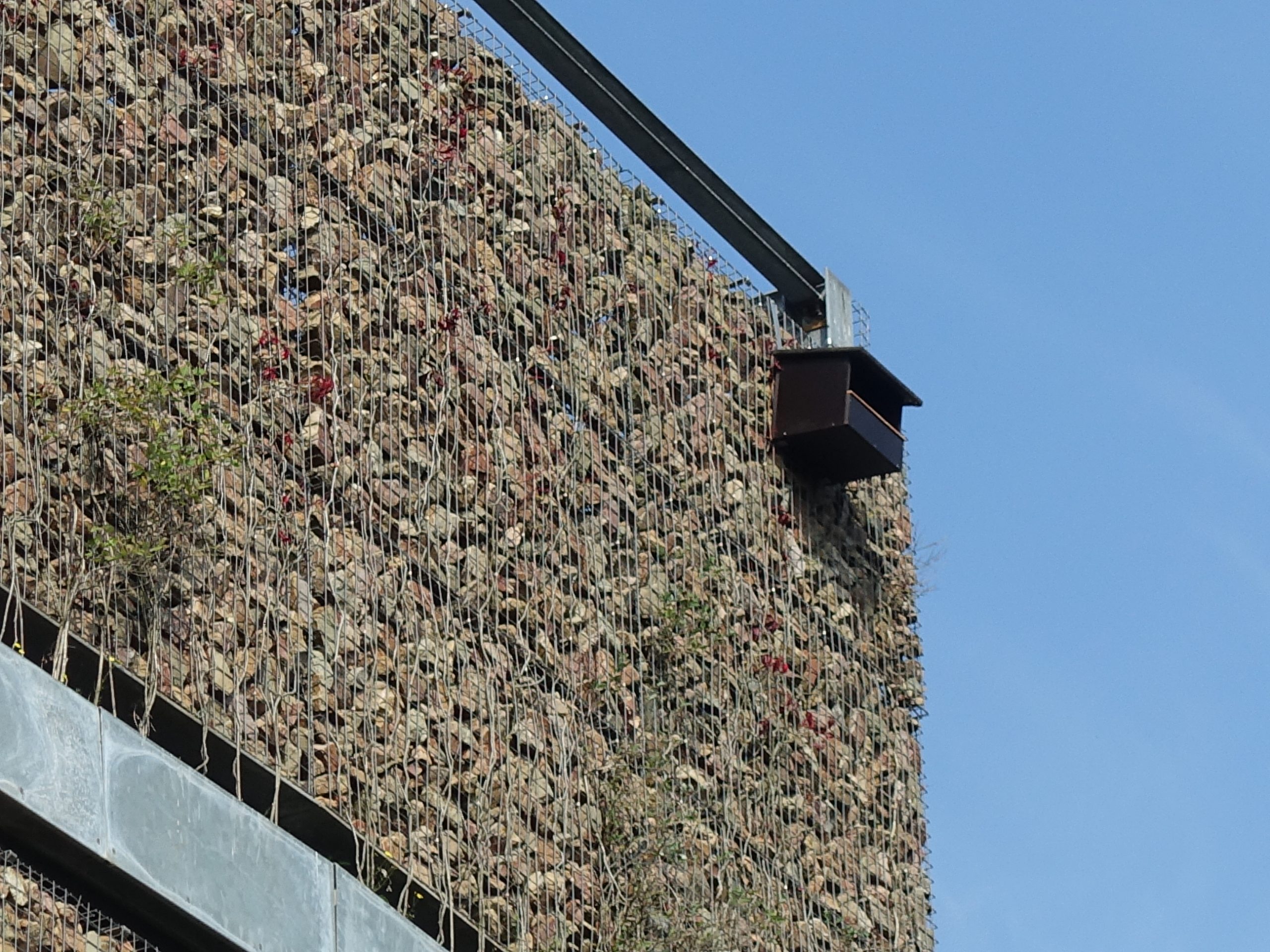
The sand martin wall was built with the municipality of Eindhoven as a home for sand martins displaced from an A2 sand depot. They made the wall their home in record speed!
- Nests tunnel up to 3 feet into the sandy bank
- Colonies can number in the thousands
- The same birds return here every year after wintering in Africa
- Bonus: Sand Martins are a natural mosquito patrol.
The sand martin wall is busier than Schiphol Airport! Incoming and outgoing flights daily.
Grasslands and birch trees
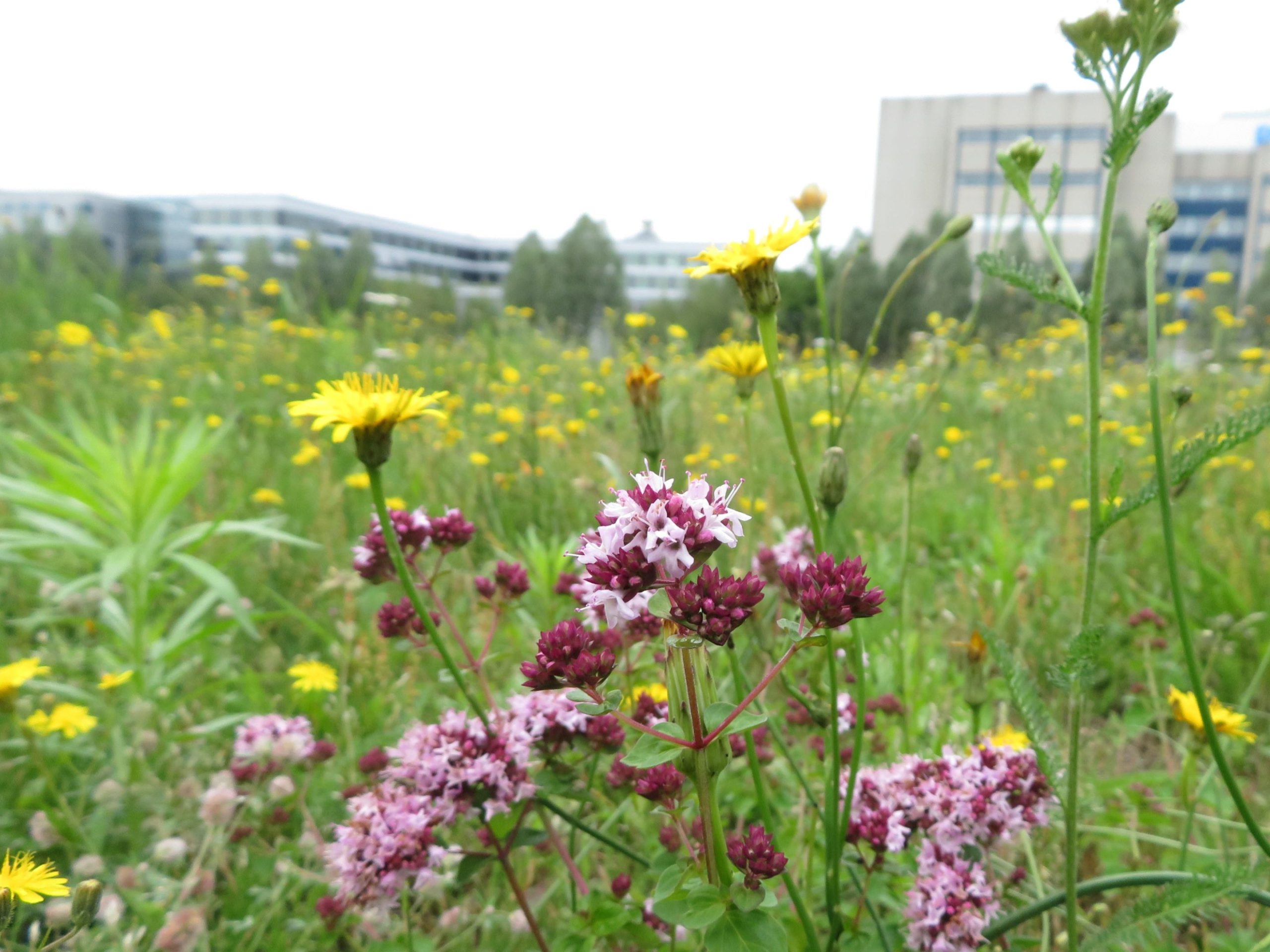
We have a “phased” mowing policy on High Tech Campus, where at least 30% of the grass is left untouched with each round. This creates different grass heights – each with its own microclimate – valuable for insects as well as soil life. Phased mowing also creates more herb-rich grasslands and grass edges with flowering plants.
And of course, we have many, many birch trees, which fit with the landscape architect’s original concept. Flowering and berry shrubs are planted through Campus as well. This provides pollen and nectar for the insects, and the berries are eaten by the substantial bird population.
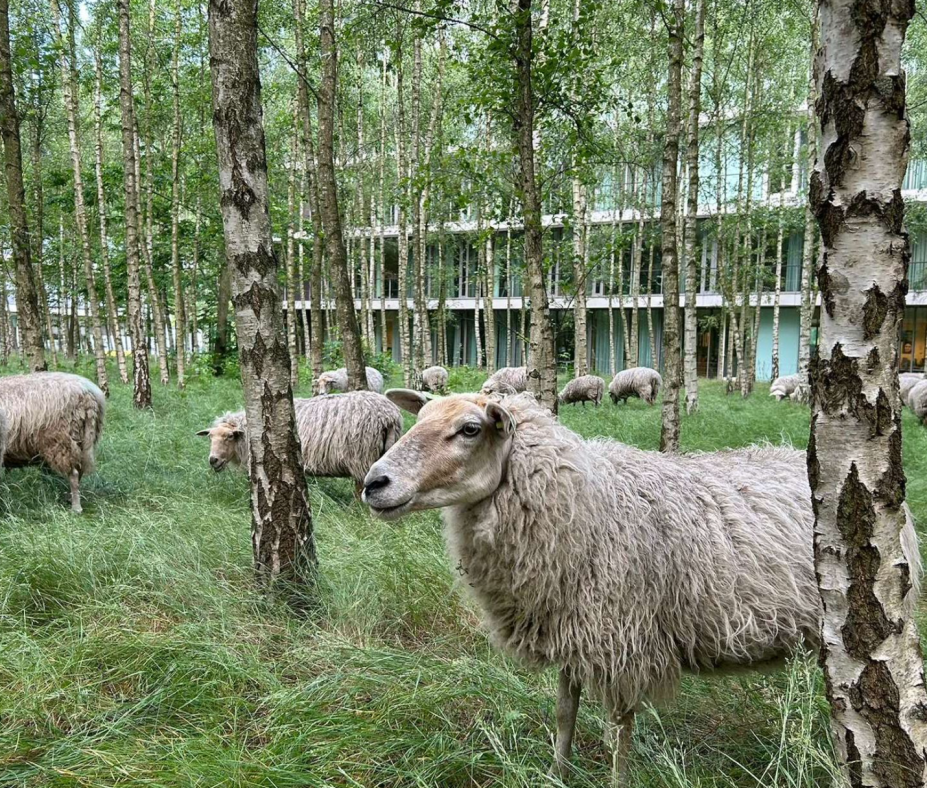
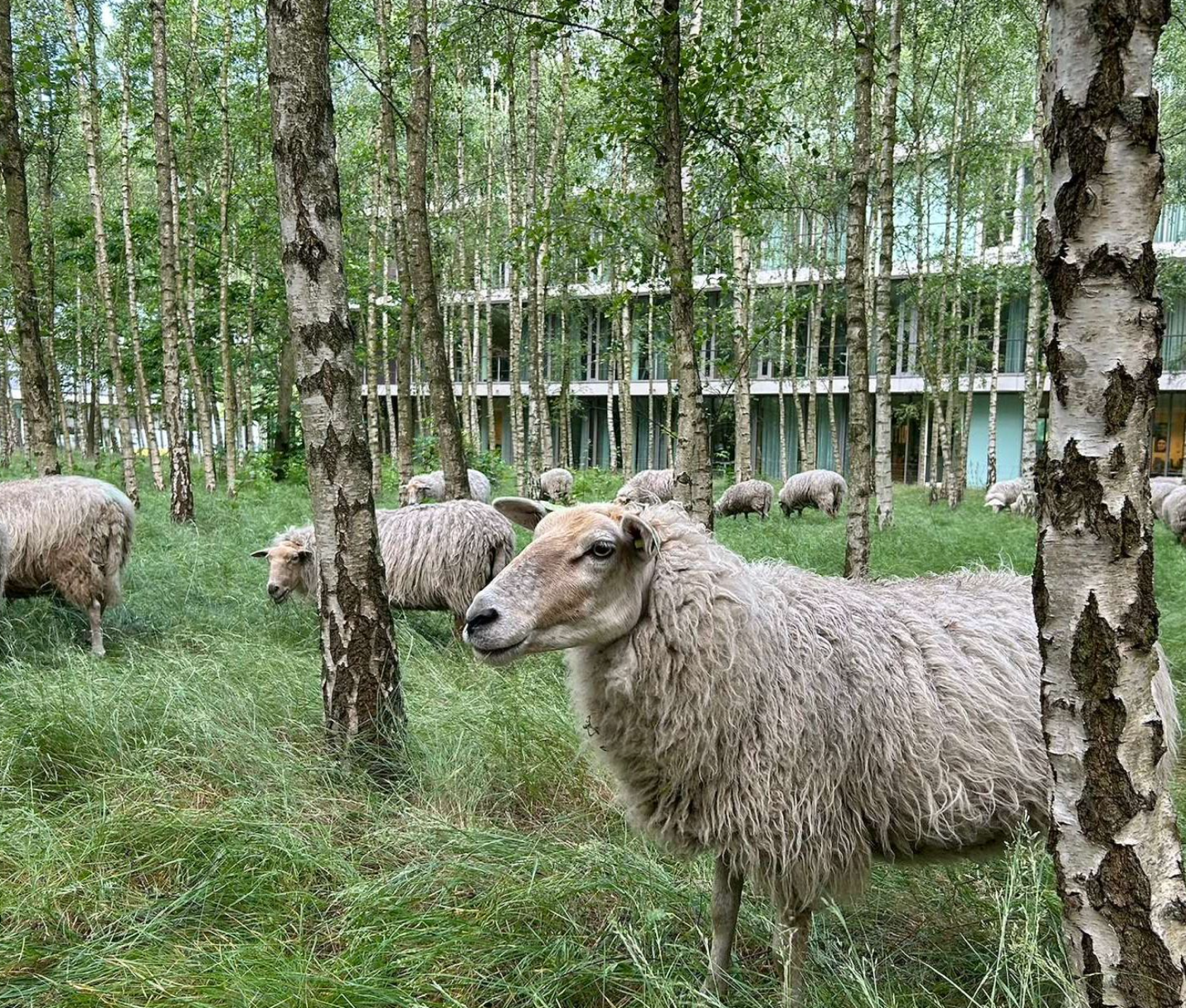
Speaking of mowing, how do we mow the ground at High Tech Campus Eindhoven? Its Kempen Heath sheep, a hardy local breed that thrives on poor soil, keeps the heath healthy and holds back the purple moor grass. Read more about the sheep of Strijdom Landschapsbeheer here.
Bat cellar
An old water cellar was converted with Brabant Water into a bat hibernation spot. Lime and elm trees (Dutch: linden, iepen) were planted nearby to help guide bats toward the Dommel Valley. These trees also benefit the rare white-letter hairstreak, a butterfly still found around High Tech Campus (Dutch: iepenpage). Lower lighting and basement tweaks are on the agenda to make the cellar fully “bat approved.”
Nesting boxes
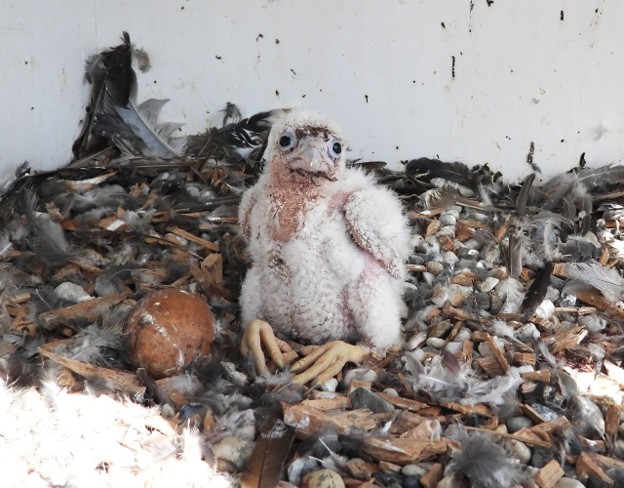
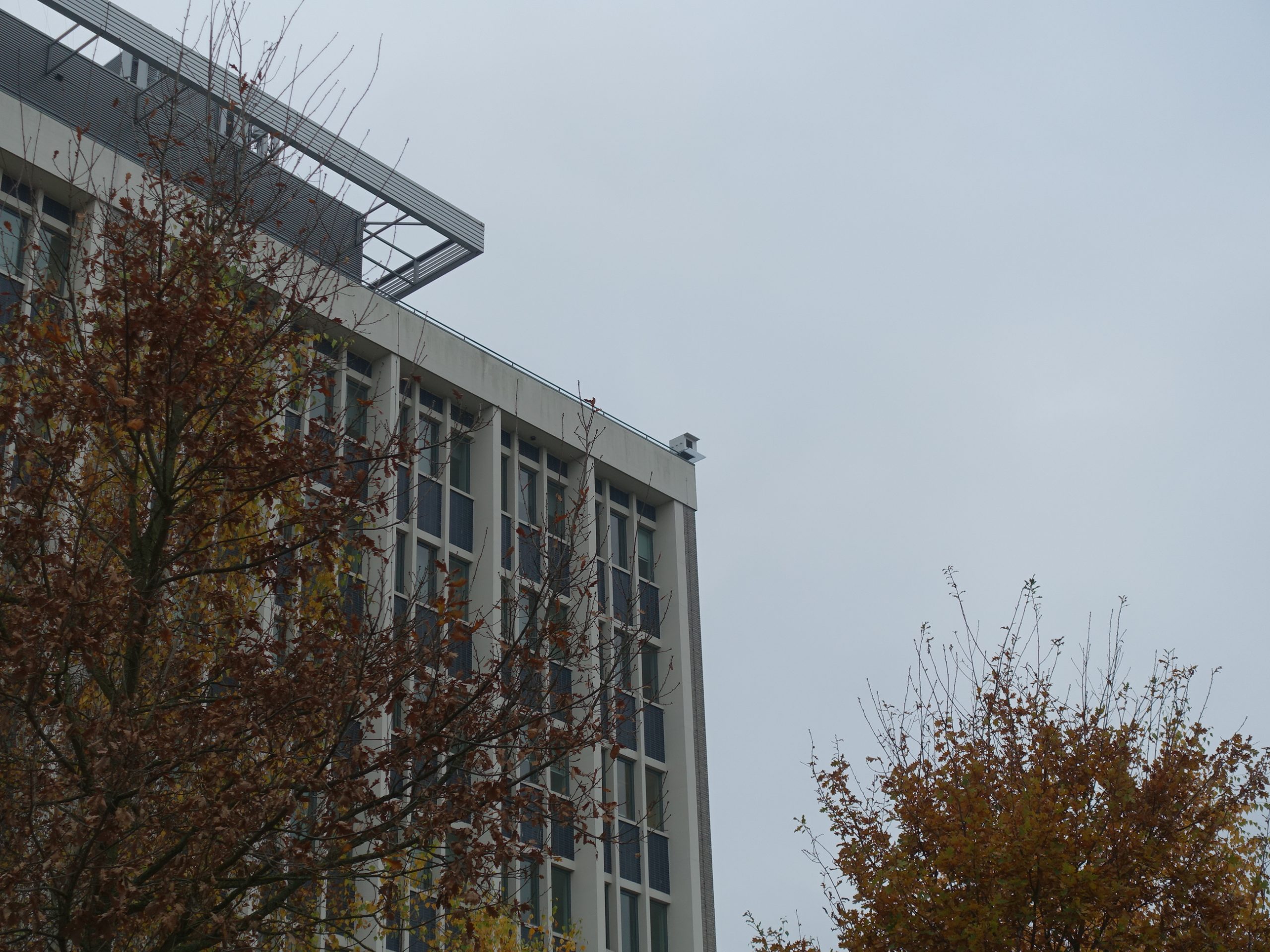
A kestrel box has been successful in breeding kestrels for years on the P6 garage. The peregrine falcon box on Building HTC 37 experienced some drama, however. Kestrels were evicted by falcons in 2021 and eggs didn’t hatch in 2022. But in May 2023, one healthy chick was ringed and registered: cause for celebration!
Fun fact: The peregrine falcon is the fastest animal on earth and can reach 350 km per hour when diving for its prey. These fast friends fit perfectly into the fast-paced world of HTCE!
Both nesting boxes are looked after by volunteers.
Winter food garden
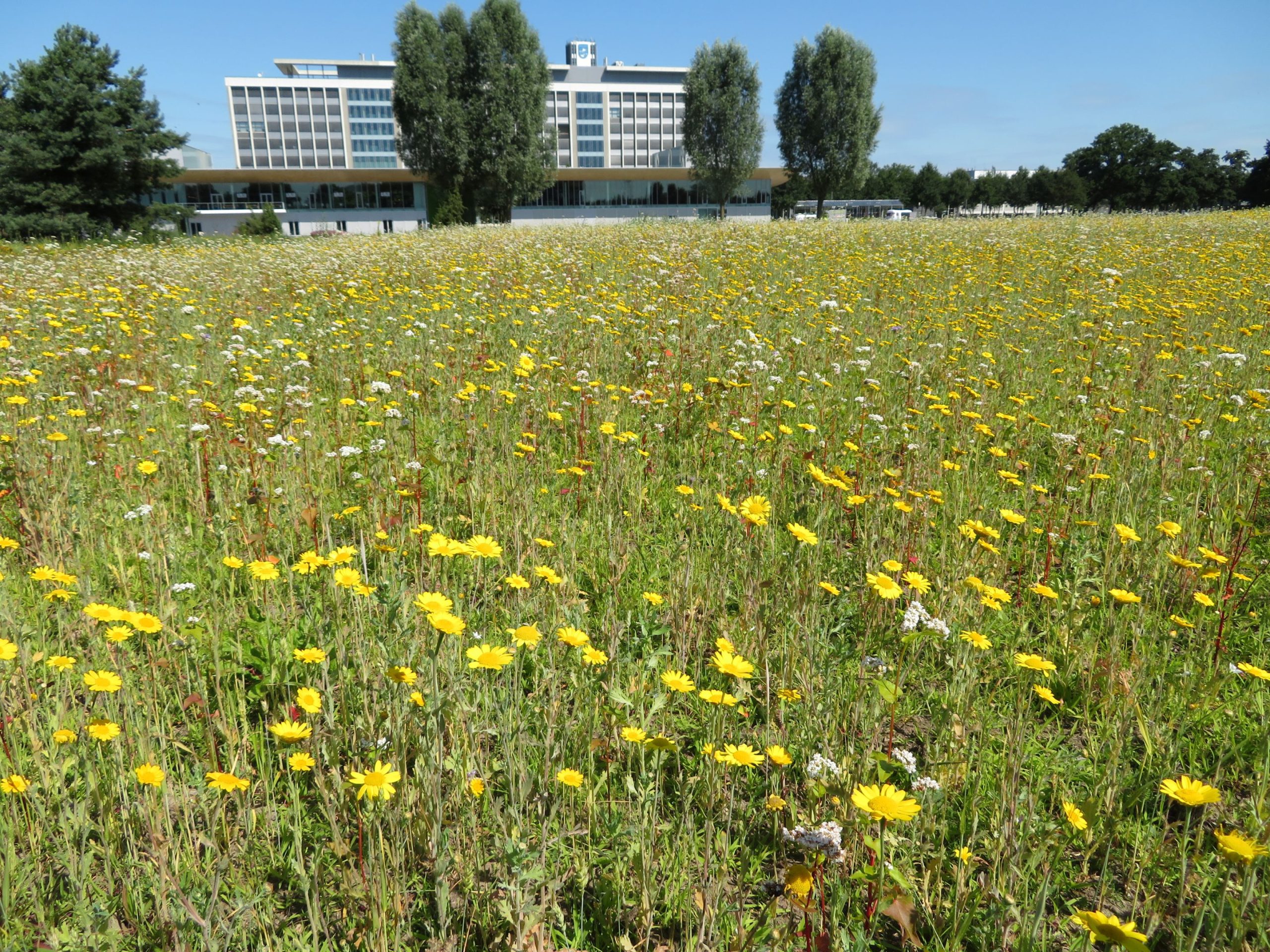
We’ve created a place on Campus where birds can find plenty of food throughout the cold months of winter. The area thrives in the summer months with flowering plants attracting lots of insects. When winter arrives, the field becomes a valuable food source of grains and seeds for our bird population once the insects are gone.
Experience Campus nature for yourself:
join the monthly Wild Break
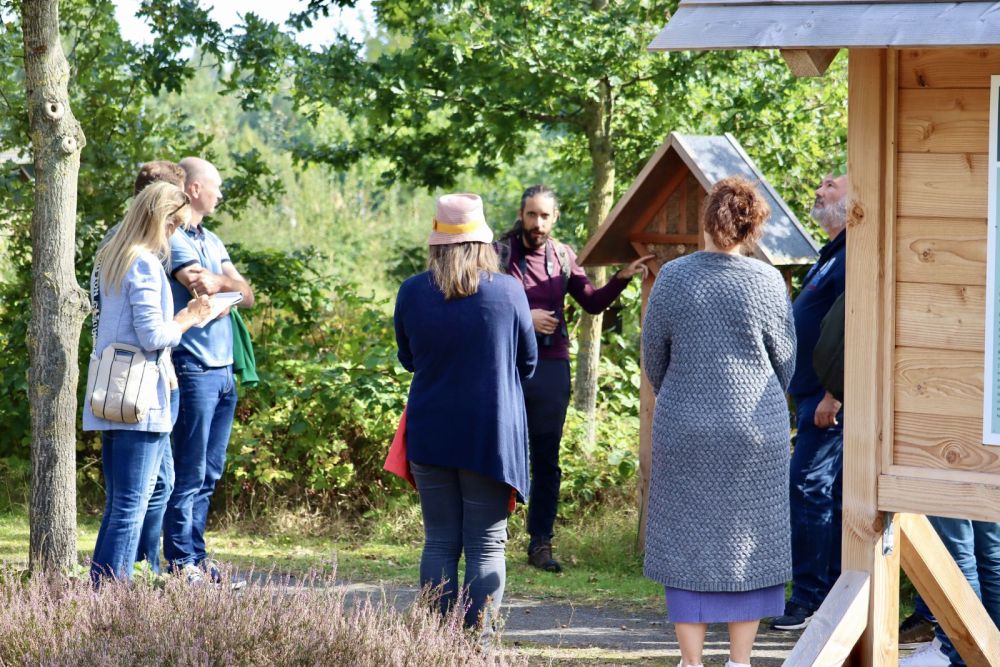
Want to discover the biodiversity of High Tech Campus for yourself? Join urban ecologist Nuno Curado for a Wild Break: a mini lunchtime safari where you’ll explore the hidden flora and fauna right outside your office.
Step away from your desk, reconnect with nature and see Campus through the eyes of an ecologist. It’s free, but spots are limited – sign up today to reserve your spot.